Happy Patients
Years Experience
Surgeries
Doctors
What is Piles? Piles, also known as hemorrhoids, are swollen veins in the lower rectum and anus that can cause discomfort, pain, itching, and sometimes bleeding during bowel movements. This condition is quite common and can affect people of all age groups, especially those who suffer from chronic constipation or spend long hours sitting.
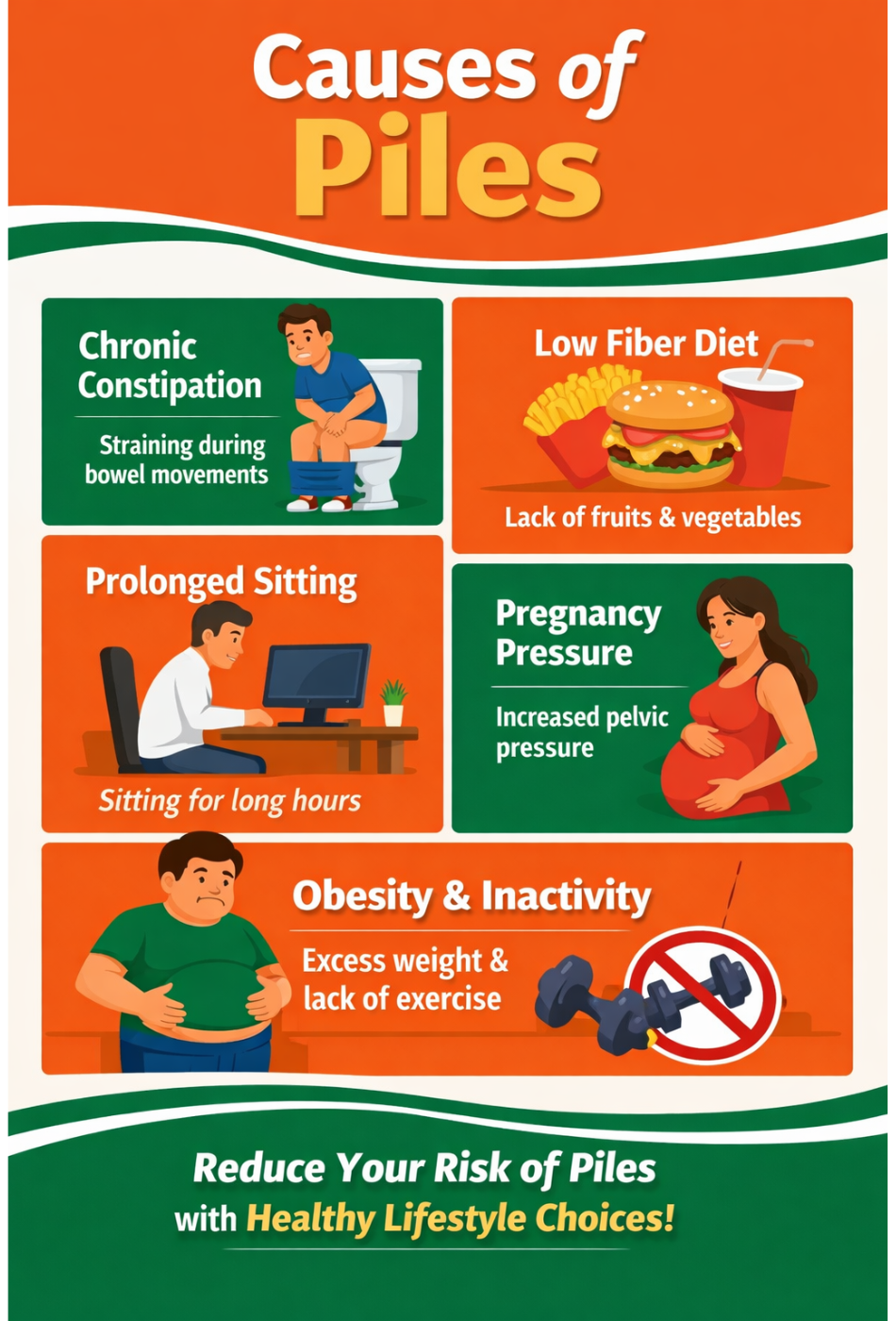
Piles usually develop when pressure increases in the rectal veins, causing them to swell and become inflamed. Common reasons include straining during bowel movements, a low-fiber diet, obesity, pregnancy, and prolonged sitting. If left untreated, piles can gradually worsen and lead to increased pain or complications.
There are two main types of piles: internal piles and external piles. Internal piles develop inside the rectum and may cause painless bleeding, while external piles occur around the anus and can lead to swelling, irritation, and discomfort. Early diagnosis helps in choosing the right treatment method.
Many patients ignore the early symptoms of piles, such as mild pain, itching, or occasional bleeding. However, consulting a specialist at the right time can help prevent the condition from becoming severe. Modern treatment options like laser surgery provide effective relief with minimal pain and faster recovery.
Early consultation with a qualified piles specialist is important to prevent the condition from becoming severe. If symptoms such as persistent bleeding, severe pain, swelling, or discomfort in the anal area continue for several days, medical evaluation is recommended. Timely diagnosis allows doctors to suggest the most suitable piles treatment, which may include lifestyle changes, medications, or advanced procedures like laser piles surgery. With proper care, a high-fiber diet, adequate hydration, and expert medical guidance, most patients can achieve long-term relief and maintain better digestive and rectal health.
Early symptoms of piles (hemorrhoids) usually include bleeding during bowel movements, itching or irritation around the anus, pain while sitting, and swelling near the anal area. Some patients may also feel a small lump near the anus. These symptoms often occur due to swollen veins in the rectal region. If the symptoms persist for several days or become painful, it is recommended to consult a piles specialist for proper diagnosis and treatment.
Piles are commonly caused by chronic constipation, straining during bowel movements, prolonged sitting, obesity, pregnancy, and a low-fiber diet. People who sit for long hours, follow an unhealthy diet, or have digestive issues may have a higher risk of developing piles. Maintaining a fiber-rich diet, proper hydration, and regular physical activity can help reduce the risk of piles.
Yes, laser piles surgery is considered a safe and advanced treatment option for patients suffering from moderate to severe piles. The procedure is minimally invasive, involves less pain, minimal bleeding, and faster recovery compared to traditional surgery. Most patients can return to their normal routine within a few days. However, the treatment method should always be decided after consultation with an experienced piles doctor or colorectal surgeon.
Recovery time after piles surgery depends on the treatment method and the patient’s overall health. With laser piles surgery, most patients recover within 3–7 days and can resume daily activities quickly. Following the doctor’s instructions, maintaining a fiber-rich diet, and staying hydrated can help ensure a smooth and comfortable recovery process.
You should consult a doctor if you experience persistent bleeding, severe pain, swelling, or discomfort in the anal region. Ignoring piles symptoms may lead to complications such as thrombosed hemorrhoids or infection. Early diagnosis and proper treatment by a qualified piles specialist can help prevent the condition from worsening and ensure faster relief.