What Triggers Gallstones?
Gallstones are hardened deposits that form inside the gallbladder, usually made of cholesterol or bilirubin. These stones can block bile flow and cause pain, infection, or digestive issues. In 2026, lifestyle-related diseases are increasing, and Gallstones are commonly linked to poor diet, sedentary habits, and metabolic imbalance. Understanding what triggers gallstones is important for prevention and long-term health. At AbhaCare, expert doctors focus on early diagnosis and personalized care to manage gallbladder conditions effectively.
Diet-Related Causes of Gallstones
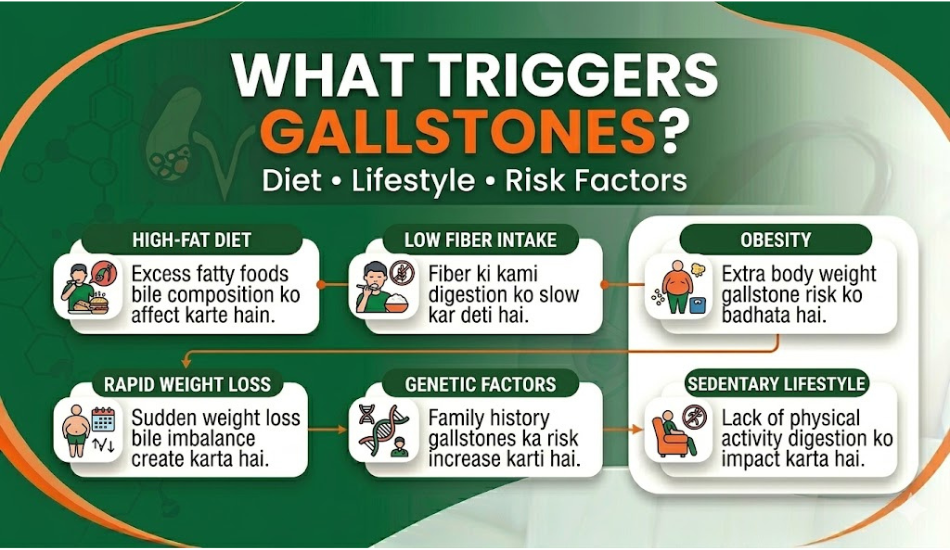
Your daily diet plays a major role in gallstone formation. A high intake of fatty, processed, and low-fiber foods can lead to excess cholesterol in bile, which eventually forms stones. Irregular eating habits and crash dieting can also disturb bile balance and increase risk.
| Diet Factor | Impact on Gallstones |
|---|---|
| High-fat foods | Increase cholesterol levels in bile |
| Low fiber intake | Slows digestion and bile movement |
| Crash dieting | Causes rapid fat breakdown, triggering stones |
| Excess sugar | Raises triglycerides and gallstone risk |
Lifestyle Triggers You Should Know
Modern lifestyle habits are one of the biggest reasons behind gallstone cases. Lack of physical activity, prolonged sitting, and unhealthy routines can affect digestion and bile flow. Obesity is a major risk factor, as it increases cholesterol secretion in bile. Rapid weight loss, especially through extreme diets, can also trigger gallstone formation.
Medical and Genetic Risk Factors
Some people are naturally at higher risk of developing gallstones due to medical or genetic conditions. Women, especially during pregnancy or due to hormonal changes, are more prone to gallstones. Conditions like diabetes, liver disease, and high cholesterol also increase the chances. Family history plays a key role, meaning if gallstones run in your family, your risk may be higher.
| Risk Factor | Why It Matters |
|---|---|
| Obesity | Increases cholesterol production |
| Female hormones | Affect bile composition |
| Diabetes | Impacts fat metabolism |
| Family history | Genetic predisposition |
Early Warning Signs of Gallstones
Gallstones often remain silent, but when symptoms appear, they should not be ignored. Common signs include sudden pain in the upper right abdomen, nausea after fatty meals, bloating, and indigestion. In severe cases, infection or blockage can occur, requiring immediate medical attention.
How to Prevent Gallstones Naturally
Prevention is possible with simple lifestyle changes. Maintaining a healthy weight, eating a balanced diet rich in fiber, and staying physically active are key steps. Avoid skipping meals and crash dieting. Drinking enough water and reducing processed food intake also helps keep your digestive system healthy. Experts at AbhaCare recommend regular checkups for individuals at high risk to detect gallstones early.
Conclusion
Gallstones are largely preventable if you understand their triggers. Poor diet, unhealthy lifestyle, and certain medical conditions all contribute to their formation. By making smart lifestyle choices and staying aware of early symptoms, you can significantly reduce your risk. With advanced care and expert guidance available at AbhaCare, patients can receive accurate diagnosis, effective treatment, and long-term prevention support.