
Kidney Stone Laser Treatment in Delhi – Procedure, Cost & Recovery



Kidney stones are hard crystals that form when minerals and salts in urine clump together. They usually develop inside the kidneys and may move down into the ureter, the tube that carries urine from the kidney to the bladder. Their size, composition, and location determine whether they pass naturally or require medical treatment.
Small kidney stones may pass on their own with appropriate fluid intake, pain relief, and medical monitoring. However, larger stones may block the flow of urine, causing severe pain and potentially damaging the kidney or leading to infection. A urologist evaluates the stone's size and position to determine the most suitable treatment.
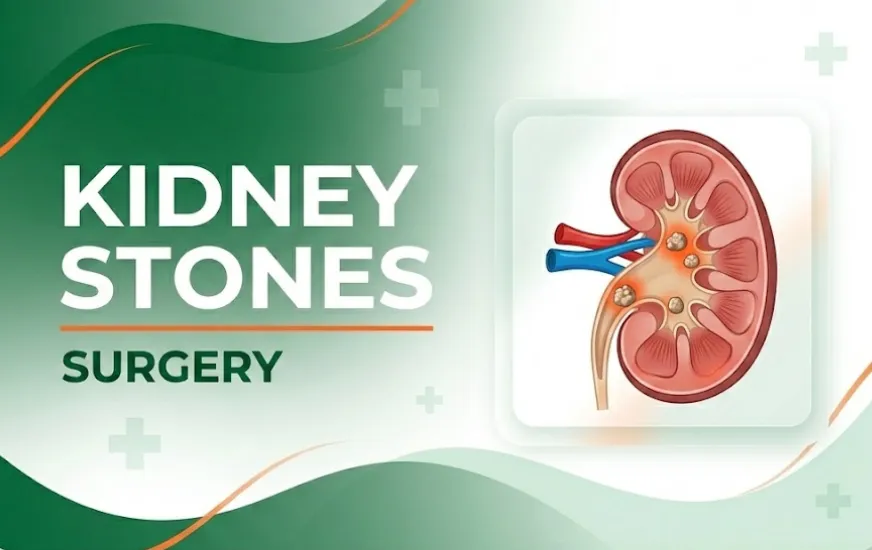
Kidney stones can form from different minerals and substances present in urine. Identifying the stone type is important because it helps your urologist recommend appropriate dietary changes, preventive measures, and medication where necessary.
• Calcium stones: Calcium oxalate and calcium phosphate stones are the most common types of kidney stones. Their formation may be influenced by urine composition, dietary factors, and individual medical conditions.
• Uric acid stones: These stones develop when urine contains excessive uric acid or remains too acidic. Dietary factors and certain medical conditions may contribute to their formation.
• Struvite stones: These stones are associated with certain urinary tract infections. They may grow quickly and sometimes become large, making timely diagnosis and treatment important.
• Cystine stones: These are relatively rare stones associated with an inherited condition called cystinuria, which causes excessive amounts of cystine to enter the urine.
Knowing the type of kidney stone can help reduce the risk of recurrence. When possible, a stone recovered after treatment may be sent for laboratory analysis. Your urologist can use the results to recommend suitable changes to your diet, fluid intake, or medication.
Kidney stones do not always cause symptoms when they first develop. Some remain in the kidney without noticeable discomfort until they move into the ureter or obstruct the flow of urine. The first signs of kidney stones can appear suddenly and may include severe pain or changes in urination.
• Intense back or side pain: Pain may occur in the back or side, often in waves, and can spread towards the lower abdomen or groin as the stone moves through the urinary tract.
• Pain or burning during urination: A stone moving closer to the bladder or urinary opening may cause discomfort or a burning sensation while passing urine.
• Blood in the urine: Kidney stones can irritate the urinary tract and cause blood in the urine, which may appear pink, red, or brown. Sometimes, blood is detectable only through laboratory testing.
• Frequent or urgent urination: A stone near the bladder may cause a frequent need to urinate or a sudden urge to pass urine.
• Nausea and vomiting: Severe pain associated with kidney stones can trigger nausea and vomiting.
• Cloudy or foul-smelling urine: Changes in urine appearance or smell may occur, particularly when a urinary tract infection is also present.
Certain symptoms can indicate a serious complication requiring urgent assessment. Seek emergency medical care the same day if you experience fever or chills along with pain in the side or back, pain that you cannot control with medication, repeated vomiting, or very little or no urine.
These symptoms may indicate an infected or obstructed kidney, which can be a medical emergency. Do not delay treatment while waiting for a stone to pass naturally.
Not every kidney stone requires surgery. Small stones may pass naturally with appropriate medical management and follow-up. However, a urologist may recommend kidney stone laser treatment when a stone is unlikely to pass, causes persistent symptoms, obstructs urine flow, or creates other medical concerns.
Laser stone removal may be considered in situations such as:
• Larger stones: Stones larger than approximately 6–7 mm may be less likely to pass naturally, although the likelihood also depends on their location and other patient-specific factors.
• Blockage of urine flow: A stone that obstructs the urinary tract may require intervention to restore drainage and protect kidney function.
• Severe or recurring pain: Persistent pain or repeated painful episodes may indicate that active stone treatment is needed.
• Infection associated with the stone: A stone associated with infection requires prompt medical evaluation. If an infected kidney is obstructed, urgent drainage and infection treatment may be necessary before definitive stone removal.
• Failure to pass naturally: If a stone does not pass after a period of conservative treatment, the urologist may recommend a procedure based on its size, location, symptoms, and follow-up imaging.
• Stones in an unfavourable position: Some stones are located where spontaneous passage is less likely, making an active treatment approach more appropriate.
• Recurrent kidney stones: Patients who repeatedly develop stones may need treatment for the current stone along with an individualized plan to reduce future recurrence.
Smaller stones may be managed with fluids, pain relief, and medication that helps relax the ureter when clinically appropriate. Follow-up imaging may be recommended to monitor progress and confirm whether the stone has passed.
A non-contrast CT scan of the kidneys, ureters, and bladder (CT KUB) is highly accurate for assessing kidney stone size and location. Your doctor may recommend an ultrasound or other investigations depending on your symptoms, medical history, and clinical requirements.
Laser lithotripsy is a minimally invasive procedure used to break kidney or ureteral stones into smaller fragments using laser energy. The surgeon passes a thin viewing instrument through the urinary tract to reach the stone, avoiding the need for an external surgical incision in typical ureteroscopy procedures.
The procedure involves several steps, from reviewing diagnostic scans to breaking the stone and planning follow-up care. The exact approach depends on the stone's size, location, and complexity.
1. Consultation and scans: Your urologist reviews your medical history, symptoms, and diagnostic reports. An ultrasound or CT scan may be used to assess the stone's size, location, and other features before treatment.
2. Anaesthesia: The procedure is performed under general or spinal anaesthesia, depending on the patient's condition and the planned treatment.
3. Reaching the stone: A thin scope is passed through the urethra and bladder into the ureter or kidney. No external incision is usually required. When a flexible scope is used to reach and treat stones inside the kidney through the urinary tract, the procedure is called retrograde intrarenal surgery (RIRS).
4. Laser fragmentation: A thin laser fibre delivers energy to break the stone into smaller fragments. The surgeon may use a technique called dusting to turn the stone into very fine particles or break it into pieces that can be removed using a small basket.
5. Ureteral stent placement, if required: A thin tube called a ureteral stent may be placed to support urine drainage and help the urinary tract recover. It may remain in place for approximately 1–2 weeks, depending on the clinical situation, and is removed during a follow-up visit.
6. Discharge: Many patients return home on the same day or within 24 hours, depending on their recovery, the complexity of the procedure, and the treating team's assessment.
Laser treatment can offer several advantages for appropriately selected patients. It allows the surgeon to reach stones through the urinary tract and break them into smaller pieces without making an external incision in typical ureteroscopy procedures.
• No external cuts or stitches: The scope is passed through the natural urinary passage, so typical ureteroscopic laser treatment does not require an external surgical incision.
• Treatment for kidney and ureter stones: Depending on the stone's size, location, and complexity, laser lithotripsy can be used to treat stones in the kidney and ureter.
• Less tissue disruption than open surgery: The minimally invasive approach avoids the larger incision associated with traditional open stone surgery and may reduce disruption to surrounding tissues.
• Short hospital stay: Many patients can go home on the same day, although some may require overnight observation depending on their condition and the procedure performed.
• Return to normal activities: Patients can often resume light activities relatively soon after treatment, subject to their symptoms, recovery, and the surgeon's instructions.
The benefits and expected results vary between patients. Some stones may require more than one procedure, and a temporary stent may cause urinary discomfort until it is removed.
Laser lithotripsy is one of several options for kidney stone removal. Other treatments include extracorporeal shock wave lithotripsy (ESWL), percutaneous nephrolithotomy (PCNL), and, in rare situations, open surgery. The most suitable method depends on the stone's size, hardness, location, and the patient's overall health.
| Treatment | How It Works | Best Suited For |
|---|---|---|
| Laser Lithotripsy (RIRS/URS) | A scope and laser are passed through the urinary tract to break the stone. | Many kidney and ureter stones, including selected stones that other methods cannot readily reach. |
| ESWL | Shock waves are delivered from outside the body to break the stone into smaller fragments. | Selected smaller stones in favourable locations. |
| PCNL | A small incision in the back allows instruments to reach and remove the stone from the kidney. | Large kidney stones, often those above approximately 2 cm. |
| Open Surgery | A larger surgical incision is used to access and remove the stone. | Rare, highly complex cases where other approaches may not be suitable. |
No single treatment is appropriate for every kidney stone. Your urologist will consider the stone's size, hardness, position, symptoms, and your overall health before recommending a procedure. Ask your doctor why a particular method is preferred for your case and whether alternative treatments are suitable.
The kidney stone laser treatment cost in Delhi typically ranges from approximately ₹40,000 to ₹1,20,000, depending on the hospital, procedure, stone complexity, and additional treatment requirements. Some hospitals advertise a starting price, but the final bill may include several charges beyond the basic procedure fee.
Understanding the factors that influence the cost can help you compare treatment estimates and plan your expenses before surgery.
| Cost Factor | How It Affects the Cost |
|---|---|
| Stone Size and Number | Larger or multiple stones may require more operating time and a more complex treatment plan, increasing the overall cost. |
| Stone Location | Stones inside the kidney may require a different or more complex approach than some stones located in the ureter. |
| Hospital Category and Room Type | Hospital facilities, room category, and length of stay can affect the total bill. |
| Anaesthesia | The type of anaesthesia, its duration, and related professional charges may influence the overall cost. |
| Ureteral Stent | Stent placement and removal may be billed separately, depending on the hospital's package. |
| Diagnostic Tests | Scans, blood tests, and other investigations may be charged separately from the surgical package. |
| Health Insurance | Many health insurance policies cover medically necessary kidney stone removal, subject to policy terms, exclusions, and applicable authorization requirements. |
Pricing note: The ₹40,000 to ₹1,20,000 range is indicative and is not a fixed quotation. The original source content does not specify the date when these prices were last checked. Ask the hospital for a written, itemised estimate that clearly states whether the stent, diagnostic tests, anaesthesia, medicines, hospital stay, and follow-up visits are included.
Recovery after laser kidney stone surgery depends on the stone's size and location, the complexity of the procedure, and the patient's overall health. Many patients return home on the same day or within 24 hours, although some may require longer observation depending on their condition and the treating team's recommendation.
Most patients can gradually resume light activities within a few days. However, recovery may take longer if a ureteral stent has been placed, additional stone treatment is required, or complications occur. Follow your urologist's instructions regarding activity, medication, hydration, and follow-up appointments.
| Recovery Milestone | Typical Timeline |
|---|---|
| Go Home | Same day to 24 hours |
| Light Daily Activity | 1–3 days |
| Return to Desk Work | 3–5 days |
| Ureteral Stent Removal, If Placed | About 1–2 weeks |
| Full Comfort | Up to 2 weeks |
These timelines are estimates and can vary between patients. Your urologist will advise you when to resume normal activities and whether repeat imaging or another procedure is needed to confirm the treatment outcome.
Some patients experience temporary symptoms after laser treatment as the urinary tract recovers. These symptoms may be more noticeable when a ureteral stent is in place.
• Blood in the urine: Mild blood in the urine may occur for approximately 1–3 days after the procedure. Contact your doctor if bleeding becomes heavy, persists, or is accompanied by worsening symptoms.
• Burning or urgency during urination: Some patients experience a burning sensation or a frequent need to urinate while the urinary tract heals.
• Mild flank pain: Discomfort in the side or back may occur following treatment. Take prescribed medication as directed and seek medical advice if the pain becomes severe or worsens.
• Stent-related discomfort: A ureteral stent can cause urinary urgency, discomfort during urination, or pain around the bladder or flank until it is removed.
Although laser lithotripsy is a minimally invasive treatment, it can still involve risks. Potential complications include infection, injury to the ureter, and stone fragments remaining after the procedure that may require additional treatment.
Your urologist will explain the risks based on your stone's size, location, and complexity, along with your medical history and overall health. Follow-up is important to assess recovery and determine whether the stone has been adequately cleared.
Seek urgent medical care if you develop a high fever, severe or worsening pain, heavy bleeding with clots, or an inability to pass urine. These symptoms may indicate a complication requiring prompt assessment.
Removing a kidney stone treats the current problem, but it does not always prevent another stone from forming. Kidney stones can recur, so prevention is an important part of long-term care. Your urologist may recommend dietary changes, appropriate fluid intake, stone analysis, and follow-up investigations according to your individual risk factors.
• Drink enough fluids: Aim for enough fluid intake to produce approximately 2–2.5 litres of urine per day, unless your doctor has advised a fluid restriction. People with heart or kidney disease should discuss an appropriate fluid target with their doctor.
• Reduce salt intake: Excessive dietary salt can increase the amount of calcium excreted in urine, which may raise the risk of certain kidney stones. Reducing salt intake can help support stone prevention.
• Moderate animal protein: Avoid excessive intake of animal protein, including red meat and organ meats, as it may contribute to stone formation in susceptible individuals.
• Maintain normal dietary calcium: Avoid unnecessarily restricting calcium from food. For many people who form calcium oxalate stones, adequate dietary calcium can help reduce oxalate absorption in the digestive tract.
• Limit high-oxalate foods when appropriate: People who form calcium oxalate stones may benefit from reviewing their intake of high-oxalate foods with their doctor or dietitian. Dietary restrictions should be tailored to the type of stone.
• Have the stone analysed: If a stone is recovered after treatment, laboratory analysis can help identify its composition and guide personalized dietary and medical prevention strategies.
• Follow up with imaging: Your urologist may recommend follow-up imaging, sometimes around 3–6 months after treatment, depending on the procedure, symptoms, and risk of recurrence.
Prevention works best when it is tailored to the type of stone and the patient's medical history. Follow your urologist's recommendations for fluid intake, diet, medication, and follow-up rather than relying on a single prevention method for every type of kidney stone.
Choosing an appropriate urologist and hospital is an important step when considering kidney stone laser treatment in Delhi. Evaluate the specialist's qualifications, experience with similar procedures, available equipment, hospital standards, and the clarity of the treatment estimate before making a decision.
• Qualification: Look for a qualified urologist with recognized specialist qualifications, such as MS, MCh, or DNB in the relevant field. Verify the doctor's registration through the appropriate medical council.
• Experience: Ask how frequently the urologist performs laser stone procedures and what treatment outcomes may reasonably be expected for stones similar to yours. Outcomes depend on stone size, location, complexity, and individual circumstances.
• Equipment and facilities: Consider whether the hospital has appropriate laser equipment, flexible scopes when required, a suitable operating theatre, and the facilities needed to manage potential complications.
• Accreditation: NABH accreditation can be a useful indicator when evaluating a hospital's quality and safety standards.
• Transparent pricing: Request a written estimate and a clear follow-up plan. Confirm whether the quoted amount includes anaesthesia, diagnostic tests, stent placement and removal, medicines, hospital stay, and follow-up consultations.
Add two to four verified partner urologist profiles to this section. Each profile should include the doctor's name, recognized qualifications, years of relevant experience, associated hospital, and an authorized professional photograph. Include verified information about experience with laser lithotripsy, ureteroscopy, or RIRS where available.
Providing accurate specialist profiles helps patients evaluate their options and understand the qualifications of the doctors they may consult. Verify all credentials, experience details, and hospital affiliations before publishing.
Finding the right specialist and understanding the total treatment cost can be challenging when you are dealing with kidney stone pain. AbhaCare aims to simplify the process by helping patients explore suitable urologists and hospital options according to their treatment requirements and preferred location.
• Access to experienced urologists and accredited hospitals: Explore treatment options through urologists and hospital facilities in Delhi, subject to availability and verification of credentials and accreditation.
• Itemised cost estimates: Understand the expected procedure charges and additional expenses before deciding on treatment.
• Convenient appointment booking: Get assistance with arranging a consultation according to your preferred location and schedule.
• Insurance and cashless admission support: Receive guidance on checking insurance coverage and cashless admission availability, subject to policy terms and hospital network status.
• Support from consultation through follow-up: Navigate the treatment process with assistance from the initial consultation through follow-up arrangements.
AbhaCare helps patients explore kidney stone consultations and treatment options across multiple areas of Delhi. Our listed service areas include:
Vikaspuri · Janakpuri · Uttam Nagar · Dwarka · West Delhi · South Delhi · East Delhi · North Delhi
Whether you are experiencing kidney stone symptoms, considering laser lithotripsy, or seeking advice about stone prevention, consult a qualified urologist to understand the available treatment options, expected costs, and recovery requirements for your individual condition.
It is a procedure that uses a thin scope and a laser to break a kidney or ureter stone into small pieces without cuts.
You are under anaesthesia during the procedure. Afterwards, mild burning, blood in the urine and stent discomfort are common for a few days.
Usually 30–60 minutes, depending on the size, number and position of the stones.
Many patients do. Some stay one night, depending on the stone, the anaesthesia and your health.
No. Your urologist decides. When a stent is placed, it is usually removed after 1–2 weeks.
Typically about ₹40,000 to ₹1,20,000, depending on the stone, hospital and what the package includes.
They are either lifted out during the procedure or pass out in your urine over the following days.
Yes. Drinking enough fluid, adjusting your diet, and having the stone analysed all lower the chance.
It is generally safe, but infection, ureteral injury and leftover fragments can happen. Your urologist will discuss them with you.
Post-treatment, patients receive recovery guidance and preventive care advice to reduce the risk of stone recurrence. Our follow-up support includes dietary recommendations, hydration tips, and regular monitoring to help patients maintain long-term kidney health.
If you are experiencing symptoms, don’t delay treatment. Get advanced kidney stone removal in Delhi with modern laser technology.