
Laparoscopic Surgeon in Delhi – Surgery, Cost & How to Find the Right One Near You



A laparoscopic surgeon is a general surgeon, or in some cases a gynecologist or urologist, with additional training in minimally invasive surgical techniques. Unlike traditional open surgery, which may require one large incision, laparoscopic surgery is performed through a few small incisions, usually measuring around 0.5–1.5 cm.
During the procedure, the surgeon uses a laparoscope—a thin specialized instrument equipped with a camera and light—to view the internal organs. The camera projects a magnified image onto a monitor, allowing the surgeon to carefully examine and operate on the affected area through small openings.
Laparoscopic surgery requires specialized technical skills because the surgeon works with long instruments while viewing the surgical field on a screen. Training may include fellowship or advanced certification in minimally invasive surgery beyond standard general surgery qualifications. This additional training develops the hand-eye coordination and instrument-handling skills required for complex keyhole procedures.
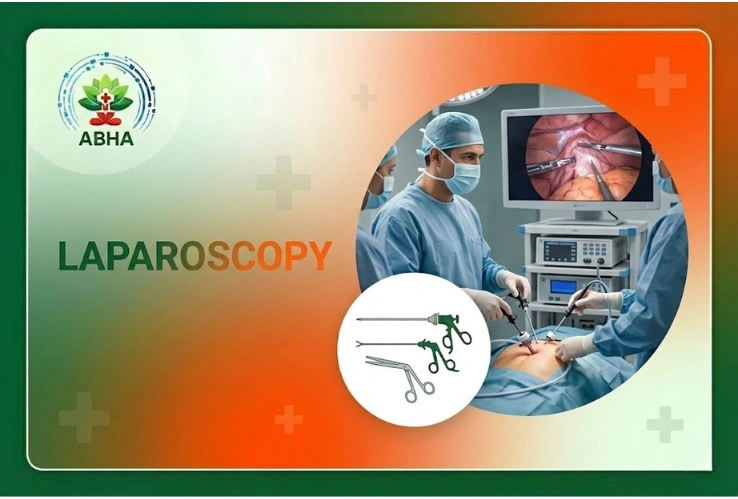
Laparoscopic surgery, also known as keyhole surgery or minimally invasive surgery, is a modern surgical approach used for both diagnosis and treatment. Instead of creating a large incision, the surgeon operates through small openings using a laparoscope and specialized instruments.
Laparoscopic techniques are widely used across general surgery, gynecology, and urology. For many abdominal and pelvic procedures, this approach can provide smaller incisions, reduced tissue trauma, shorter hospital stays, and faster recovery compared with traditional open surgery when laparoscopic treatment is clinically appropriate.
The exact surgical approach depends on the patient's condition, anatomy, previous surgeries, and the complexity of the procedure. Your surgeon will determine whether minimally invasive surgery is suitable after reviewing your symptoms, medical history, and diagnostic reports.
Laparoscopic surgery can be used to diagnose and treat a broad range of abdominal, pelvic, and urinary conditions. The most appropriate technique depends on the specific condition and the specialist managing it.
• Gallstones and gallbladder disease: Laparoscopic cholecystectomy is commonly used to remove the gallbladder in patients with symptomatic gallstones and other gallbladder conditions.
• Hernia: Laparoscopic techniques can be used for selected inguinal, umbilical, and incisional hernias, allowing repair through small incisions.
• Appendicitis: Laparoscopic appendectomy allows the surgeon to remove an inflamed appendix through small abdominal incisions.
• Ovarian cysts and fibroids: Selected ovarian cysts and uterine fibroids can be treated using minimally invasive gynecological procedures while reducing the need for large abdominal incisions.
• Endometriosis: Laparoscopy can be used to diagnose and treat endometriosis, including removal of endometriotic tissue in suitable cases.
• Ectopic pregnancy: Laparoscopic surgery may be used to diagnose and treat an ectopic pregnancy when surgical management is required.
• Blocked fallopian tubes and tubal ligation or reversal: Selected procedures involving the fallopian tubes may be performed laparoscopically depending on the patient's reproductive health and treatment requirements.
• Kidney stones and related urinary conditions: Certain urinary and kidney stone-related procedures can be performed using minimally invasive techniques, depending on the location and size of the stone and the patient's individual condition.
• Diagnostic evaluation for unexplained abdominal or pelvic pain: Diagnostic laparoscopy may help specialists identify conditions that cannot be adequately diagnosed through routine examinations or imaging alone.
• Bariatric surgery: Weight-loss procedures such as selected bariatric operations are commonly performed using minimally invasive laparoscopic techniques.
• Tissue biopsy for suspected tumors: In selected cases, laparoscopy can help surgeons obtain tissue samples for pathological examination when a tumor or other abnormal growth requires further evaluation.
General laparoscopic surgery covers many of the conditions listed above, while more specialized procedures may require a laparoscopic surgeon with additional expertise in gynecology or urology. Patients with conditions such as piles, anal fissure, anal fistula, or kidney stones may also have minimally invasive treatment options in selected cases. The suitability of a laparoscopic approach should always be discussed with your treating specialist after a proper evaluation.
Searching for a “laparoscopic surgeon near me” or “laparoscopic doctor near me” can be a useful starting point when you need minimally invasive surgical treatment. However, proximity alone should not be the only factor when selecting a surgeon. The surgeon's qualifications, relevant experience, hospital infrastructure, communication, and follow-up support are also important considerations.
Look for a surgeon with appropriate basic surgical qualifications, such as MBBS with MS/DNB in General Surgery, or the relevant qualification for a gynecological or urological procedure. Additional training or a fellowship in laparoscopic or minimally invasive surgery can be relevant when considering a surgeon for a keyhole procedure.
Experience with the specific procedure you require is an important consideration. Surgeons who regularly perform a particular laparoscopic procedure may have more familiarity with its techniques and potential challenges than someone who performs it only occasionally. Ask about the surgeon's experience with the procedure recommended for your condition.
The hospital where the procedure is performed is another important consideration. Look for access to a properly equipped laparoscopic hospital with modern laparoscopic towers and appropriate surgical facilities. NABH accreditation may also be considered when evaluating hospital standards. Access to ICU backup can be important if unexpected complications require additional medical support.
A good consultation should give you an opportunity to understand your diagnosis and the recommended procedure. The surgeon should explain the treatment approach, potential risks, expected recovery timeline, and relevant alternatives clearly rather than rushing through the consultation. Clear communication can help you make an informed decision about your treatment.
Surgical care does not end when the procedure is completed. Consider whether the surgeon and hospital provide appropriate post-operative follow-up, including guidance regarding recovery, medications, wound care, activity, and follow-up appointments. Having access to the treating team after surgery can make the recovery process easier to manage.
There is no single verifiable “best laparoscopic surgeon in India” ranking that can determine the right surgeon for every patient. The appropriate choice depends on the specific procedure, hospital, individual case, and clinical requirements. A more useful approach is to identify the surgeon and facility that are a suitable fit for your diagnosis and treatment needs.
AbhaCare's network of verified laparoscopic surgeons across Delhi is built around these considerations and can help match patients with a suitable surgeon based on their diagnosis and treatment requirements.
The laparoscopic surgery cost in Delhi varies according to the type of procedure, complexity of the case, surgeon's experience, hospital facilities, anesthesia, diagnostic investigations, and post-operative care. The following are indicative procedure-wise cost ranges and should not be considered a fixed quotation.
| Laparoscopic Procedure | Indicative Cost in Delhi |
|---|---|
| Diagnostic Laparoscopy | ₹30,000 – ₹50,000 |
| Gallbladder Removal (Cholecystectomy) | ₹50,000 – ₹90,000 |
| Hernia Repair | ₹50,000 – ₹90,000 |
| Appendectomy | ₹50,000 – ₹85,000 |
| Ovarian Cystectomy | ₹50,000 – ₹90,000 |
| Fibroid Removal (Myomectomy) | ₹70,000 – ₹1,50,000 |
| Hysterectomy | ₹80,000 – ₹1,50,000 |
| Bariatric Surgery | ₹1,50,000 – ₹3,00,000+ |
Note: These are indicative cost ranges only. The actual price can vary depending on the hospital, surgeon's experience, procedure complexity, patient's condition, investigations, anesthesia, length of hospital stay, and other treatment requirements. Prices should be confirmed with the hospital after consultation and evaluation. A personalized quotation can provide a clearer estimate for the complete treatment.
Before laparoscopic surgery, the surgeon may recommend diagnostic investigations and routine pre-operative tests based on the patient's condition and the planned procedure. These tests help the medical team evaluate the patient's health and plan the surgery appropriately.
| Diagnostic Test | Indicative Cost in Delhi |
|---|---|
| Ultrasound | ₹1,000 – ₹2,000 |
| Blood Tests (Routine Pre-Op Panel) | ₹800 – ₹2,000 |
| X-Ray | ₹800 – ₹1,200 |
| CT Scan | ₹2,500 – ₹5,000 |
| MRI | ₹3,000 – ₹6,000 |
The actual diagnostic cost depends on the diagnostic centre, the specific tests prescribed, and the patient's individual medical requirements. Not every patient will require every test listed above.
The laparoscopic surgery cost in Delhi can differ significantly from one patient to another. The final treatment expense depends not only on the surgical procedure but also on the hospital, surgeon, anesthesia, diagnostic tests, and care required before and after surgery.
1. Type and complexity of procedure: A diagnostic laparoscopy generally costs less than more complex procedures such as bariatric surgery or a complex hysterectomy. The nature and complexity of the surgery directly influence the overall treatment cost.
2. Surgeon’s experience: A surgeon with extensive experience and specialized minimally invasive surgery training may charge a higher professional fee. Their experience and specialized skills can be an important consideration when selecting a surgeon for a particular procedure.
3. Hospital and facility standards: A NABH-accredited laparoscopic hospital with advanced equipment, modern laparoscopic systems, trained support staff, and appropriate emergency facilities may have higher treatment costs because of the infrastructure and resources involved.
4. Anesthesia type: Most laparoscopic procedures require general anesthesia, which can contribute to the total surgical expense. Minor procedures where local or regional anesthesia is appropriate may have different anesthesia-related costs.
5. Pre-operative and post-operative care: Diagnostic investigations, medicines, hospital stay, follow-up consultations, and other supportive care can add to the total expense beyond the basic surgery fee. Patients should ask for a complete cost breakdown before proceeding.
6. Location within Delhi: Treatment costs can vary across different parts of Delhi. As a Tier 1 city, Delhi may have higher healthcare costs than Tier 2 locations because of infrastructure, advanced facilities, and access to specialized surgeons.
Depending on eligibility, policy terms, and hospital empanelment, laparoscopic surgery costs may be covered partly or fully through certain government healthcare schemes or private health insurance policies. Patients should confirm coverage and eligibility before scheduling the procedure.
Eligible beneficiaries under Ayushman Bharat (PM-JAY) may receive cashless treatment at empanelled hospitals for covered procedures. Whether a particular laparoscopic procedure is covered depends on the applicable scheme package, patient eligibility, and hospital empanelment.
Private health insurance coverage varies according to the individual policy. Before treatment, check whether the procedure qualifies under the policy's inpatient or daycare coverage, along with applicable waiting periods, exclusions, deductibles, co-payments, and sub-limits.
Patients with private health insurance may be able to use cashless treatment at hospitals included in their insurer's network. Before booking surgery, ask the hospital or AbhaCare to check eligibility, network status, and the documentation required for the cashless process.
Insurance and government scheme coverage is subject to the applicable policy terms, hospital empanelment, eligibility criteria, and approved treatment packages. Patients should confirm the details directly with the insurer, hospital, or relevant government scheme portal before treatment.
Laparoscopic surgery and traditional open surgery use different surgical approaches. Laparoscopic procedures generally involve several small incisions and specialized instruments, while open surgery typically uses a larger single incision to access the affected area. The appropriate approach depends on the condition, procedure, patient factors, and surgeon's assessment.
| Factor | Laparoscopic Surgery | Traditional Open Surgery |
|---|---|---|
| Incision Size | Small, usually 0.5–1.5 cm | Large single incision |
| Pain | Minimal, manageable | Higher, longer-lasting |
| Recovery Time | 2–4 weeks | 6–8 weeks or more |
| Hospital Stay | 1–2 days | 4–7 days |
| Scarring | Minimal | Visible, larger |
| Infection Risk | Lower | Higher |
These differences are general comparisons. Individual recovery, hospital stay, pain, and complication risk can vary depending on the procedure, patient's health, surgical complexity, and the treating team's recommendations.
When laparoscopic surgery is clinically appropriate, the minimally invasive approach can offer several potential advantages compared with traditional open surgery. The benefits may vary according to the procedure and individual patient.
• Smaller incisions and less visible scarring: Laparoscopic procedures use small openings rather than one large surgical incision, which can result in smaller and less noticeable scars.
• Less pain and reduced blood loss during surgery: The smaller surgical access points may reduce tissue disruption and can be associated with less post-operative discomfort and blood loss in appropriate procedures.
• Faster recovery and quicker return to daily activities: Many patients can gradually resume normal activities sooner than with traditional open surgery, although the recovery period depends on the procedure and individual healing.
• Shorter hospital stay: Laparoscopic surgery may allow a shorter hospital stay, often around 1–2 days for procedures where this recovery pattern is appropriate.
• Lower risk of post-surgical infection compared to open surgery: Because laparoscopic procedures generally involve smaller incisions, they may have a lower risk of certain wound-related infections compared with larger open surgical incisions.
A laparoscopic surgeon is a general surgeon (or a gynecologist/urologist, depending on specialty) with additional training in minimally invasive, camera-guided surgical techniques performed through small incisions.
Look beyond proximity — check the surgeon's qualification and specialization, case volume for your specific procedure, the hospital's accreditation and equipment, and how clearly they communicate your diagnosis and options. AbhaCare can match you with a verified surgeon in Delhi based on your specific condition.
Most procedures take 30 minutes to 2 hours, depending on complexity — diagnostic laparoscopy is faster, while procedures like hysterectomy or bariatric surgery take longer.
Delhi, as a Tier 1 city, generally has higher laparoscopic surgery costs than Tier 2 cities due to better infrastructure and specialist availability — the exact difference depends on the specific procedure and hospital chosen.
Many private insurance policies and government schemes like Ayushman Bharat may cover eligible laparoscopic procedures, subject to policy terms, empanelment, and eligibility — confirm directly with your insurer or scheme before proceeding.
AbhaCare also provides post-surgery care coordination, including follow-up appointments and recovery support. Our goal is to deliver safe, reliable, and patient-friendly laparoscopic treatment with comfort and confidence.
If you are considering surgery, choose a safer and faster option.