
Ophthalmologists in Delhi | Find & Book Eye Specialists Near You



An ophthalmologist is a qualified medical doctor who specializes in the diagnosis, treatment, prevention, and surgical management of eye diseases and vision-related disorders. After completing an MBBS degree, an ophthalmologist undergoes advanced training such as MS, DNB, or DOMS in Ophthalmology, enabling them to manage everything from routine eye problems to complex surgical conditions affecting vision.
Unlike eye care professionals who primarily focus on vision testing, ophthalmologists are fully trained to diagnose medical eye diseases, prescribe medications, perform laser procedures, and carry out advanced eye surgeries such as cataract surgery, glaucoma surgery, retinal procedures, and corneal surgeries. They also help prevent vision loss through regular eye examinations and early disease detection.
At AbhaCare, we connect patients with experienced ophthalmologists across Delhi, providing access to advanced diagnostic technology, personalized treatment plans, and modern surgical care for a wide range of eye conditions.
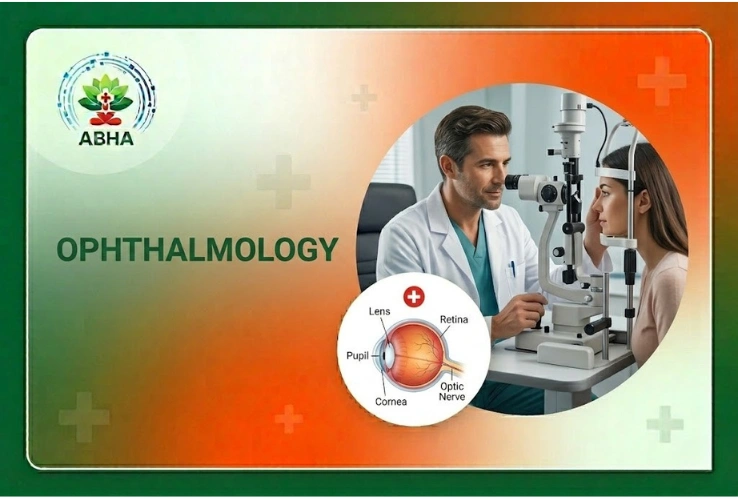
Many people confuse an ophthalmologist with an optometrist. While both professionals play an important role in eye care, their qualifications, training, and scope of practice are different. Understanding these differences helps patients choose the right eye care specialist based on their healthcare needs.
| Feature | Ophthalmologist | Optometrist |
|---|---|---|
| Medical Degree | Yes (MBBS + Ophthalmology Specialization) | No (Optometry Degree) |
| Can Perform Eye Surgery | Yes | No |
| Diagnoses Eye Diseases | Yes | Limited Screening |
| Prescribes Glasses & Contact Lenses | Yes | Yes |
If you require routine vision testing or prescription glasses, an optometrist may be appropriate. However, for eye diseases, sudden vision changes, infections, glaucoma, cataracts, retinal disorders, or any condition requiring surgery, consultation with an experienced ophthalmologist is recommended.
Ophthalmology is the branch of medicine dedicated to the prevention, diagnosis, treatment, and surgical management of diseases affecting the eyes and visual system. It covers everything from routine eye examinations and refractive errors to complex retinal diseases, glaucoma, corneal disorders, cataracts, pediatric eye conditions, and vision restoration procedures.
Modern ophthalmology combines advanced diagnostic imaging, laser technology, microsurgery, and minimally invasive treatment techniques to preserve vision, improve eye health, and enhance patients' quality of life.
Ophthalmologists diagnose and manage a wide variety of eye disorders affecting people of all age groups. Regular eye examinations help detect many of these conditions before noticeable symptoms develop, reducing the risk of permanent vision loss.
• Cataract: Clouding of the eye's natural lens that gradually causes blurred vision, glare, and difficulty performing daily activities. Cataract surgery is one of the most successful vision-restoring procedures.
• Refractive Errors: Vision problems such as myopia (near-sightedness), hypermetropia (far-sightedness), and astigmatism that can be corrected with glasses, contact lenses, or laser vision correction procedures.
• Glaucoma: A progressive eye disease that damages the optic nerve, often due to increased eye pressure. Early diagnosis is essential because vision loss caused by glaucoma cannot be reversed.
• Dry Eye Disease: A common condition resulting from insufficient tear production or poor tear quality, causing burning, irritation, redness, blurred vision, and eye discomfort.
• Eye Infections & Inflammation: Bacterial, viral, fungal, or allergic conditions affecting different parts of the eye that require prompt medical treatment to prevent complications.
• Retinal Disorders: Conditions such as diabetic retinopathy, retinal tears, retinal detachment, and age-related retinal diseases that require specialized diagnosis and treatment to preserve vision.
• Corneal Conditions: Diseases or injuries affecting the transparent front surface of the eye, including infections, ulcers, corneal degeneration, and corneal dystrophies.
• Squint (Strabismus): Misalignment of the eyes that may affect both children and adults, leading to double vision or reduced binocular vision if not treated appropriately.
Many eye diseases progress silently without causing noticeable symptoms during the early stages. Routine eye examinations by an experienced ophthalmologist are essential for early diagnosis, timely treatment, and long-term preservation of healthy vision.
Modern eye hospitals in Delhi offer advanced diagnostic technology and minimally invasive treatment options for a wide range of eye conditions. Whether you need cataract surgery, laser vision correction, glaucoma management, or specialized retina treatment, experienced ophthalmologists develop personalized treatment plans based on your eye health, vision needs, and lifestyle.
A cataract develops when the eye's natural lens gradually becomes cloudy, causing blurred vision, glare, poor night vision, and difficulty performing daily activities. Cataracts commonly occur with aging but may also result from diabetes, eye injuries, prolonged steroid use, or certain medical conditions.
Modern cataract surgery is a safe, minimally invasive procedure in which the cloudy natural lens is removed and replaced with a clear Intraocular Lens (IOL). The surgery is usually completed within a short time, often as a same-day procedure, allowing patients to return home shortly after treatment with significant improvement in vision during recovery.
LASIK and other advanced vision correction procedures help reduce or eliminate dependence on glasses and contact lenses by reshaping the cornea using precise laser technology. These procedures are commonly recommended for patients with refractive errors such as myopia (near-sightedness), hypermetropia (far-sightedness), and astigmatism.
Before LASIK surgery, every patient undergoes a comprehensive eye evaluation that includes corneal thickness measurement, refractive stability assessment, tear film evaluation, and overall eye health screening to determine whether laser vision correction is the most suitable treatment option.
Glaucoma is a progressive eye disease that damages the optic nerve, most commonly due to increased pressure inside the eye. Since glaucoma often develops without noticeable symptoms in its early stages, regular eye examinations are essential for early detection and prevention of permanent vision loss.
Treatment depends on the type and severity of glaucoma and may include medicated eye drops, laser therapy, or glaucoma surgery. The primary goal is to control eye pressure, slow disease progression, and preserve existing vision.
Retina specialists diagnose and treat diseases affecting the light-sensitive tissue at the back of the eye. Common retinal disorders include diabetic retinopathy, retinal tears, retinal detachment, macular diseases, and retinal vascular disorders. Early diagnosis is essential because untreated retinal disease can result in permanent vision loss.
Advanced retina care may involve retinal laser treatment, intravitreal injections, vitreoretinal surgery, or other specialized procedures depending on the underlying condition and the extent of retinal damage.
Many eye conditions begin with mild symptoms that gradually worsen over time. Prompt consultation with an ophthalmologist can help identify the underlying cause early, preserve vision, and prevent serious complications. If you notice any of the following symptoms, seek professional eye evaluation without delay.
• Blurred or double vision: Sudden or gradual changes in vision may indicate refractive errors, cataracts, retinal disease, glaucoma, or neurological conditions that require comprehensive eye examination.
• Difficulty seeing at night: Poor night vision may be associated with cataracts, retinal disorders, vitamin deficiencies, or other eye conditions affecting visual performance in low-light environments.
• Eye pain or redness: Persistent eye pain, redness, swelling, or discomfort may indicate infection, inflammation, glaucoma, corneal injury, or other serious eye diseases requiring immediate medical attention.
• Frequent headaches: Recurrent headaches may be related to uncorrected vision problems, eye strain, glaucoma, or other ophthalmic conditions that should be properly evaluated.
• Sensitivity to light: Excessive sensitivity to bright light (photophobia) can occur due to corneal disorders, infections, inflammation, migraines, or other eye diseases.
• Sudden vision changes: Any sudden decrease in vision, partial vision loss, or distortion of vision should be treated as an eye emergency and evaluated immediately.
• Floaters or flashes of light: The sudden appearance of numerous floaters or flashes may indicate retinal tears or retinal detachment and requires urgent examination by a retina specialist to prevent permanent vision loss.
Never ignore sudden vision loss, severe eye pain, flashes of light, or rapidly worsening symptoms. Early diagnosis and timely treatment significantly improve the chances of preserving healthy vision and preventing long-term complications.
While many people visit an ophthalmologist only after noticing vision problems, regular eye examinations are equally important for detecting diseases before symptoms develop. Certain medical conditions, age-related changes, and family history significantly increase the risk of eye disorders and require periodic eye evaluations to preserve healthy vision.
• Diabetes or hypertension: Both diabetes and high blood pressure can damage the blood vessels of the retina, increasing the risk of diabetic retinopathy, retinal bleeding, and permanent vision loss if left untreated.
• Family history of eye diseases: Individuals with a family history of glaucoma, cataracts, retinal disorders, or age-related macular degeneration should undergo regular eye examinations because many of these conditions have a hereditary component.
• Age 40 years and above: Adults over 40 are at increased risk of glaucoma, cataracts, and age-related vision changes. Routine screening helps identify these conditions at an early stage when treatment is most effective.
• Thyroid disorders affecting the eyes: Certain thyroid diseases, particularly thyroid eye disease, may cause eye bulging, dryness, double vision, or eyelid abnormalities that require specialized ophthalmic care.
• Any eye injury: Even seemingly minor eye injuries should be examined by an ophthalmologist to rule out hidden damage that could affect vision later.
Regular eye examinations are especially important for individuals with chronic medical conditions, a family history of eye disease, or increasing age, as early diagnosis significantly improves treatment outcomes and helps prevent avoidable vision loss.
Routine eye examinations play an essential role in maintaining lifelong eye health. Many serious eye diseases, including glaucoma and diabetic retinopathy, progress silently during the early stages without causing noticeable symptoms. Regular check-ups allow ophthalmologists to detect these conditions early and begin treatment before permanent vision damage occurs.
• Early detection of eye diseases: Regular examinations help identify glaucoma, cataracts, retinal disorders, diabetic eye disease, and other conditions before vision is significantly affected.
• Monitoring chronic medical conditions: Patients with diabetes, hypertension, thyroid disorders, or autoimmune diseases benefit from periodic eye examinations to detect eye-related complications at an early stage.
• Accurate vision correction: Routine eye testing ensures that glasses or contact lens prescriptions remain accurate, reducing eye strain and improving visual comfort.
• Prevention of permanent vision loss: Timely diagnosis and treatment help preserve eyesight and reduce the risk of irreversible vision impairment caused by progressive eye diseases.
• General adults: A comprehensive eye examination is generally recommended once every year to maintain healthy vision and detect eye diseases early.
• Patients with diabetes or hypertension: More frequent eye examinations may be required based on the ophthalmologist's recommendation because these conditions can significantly affect retinal health.
• Children: Eye examinations should be performed as recommended by a pediatric ophthalmologist, particularly if vision screening identifies any abnormalities or if there is a family history of childhood eye disorders.
The cost of eye treatment in Delhi varies depending on the type of eye condition, treatment method, technology used, hospital infrastructure, and the ophthalmologist's expertise. Every patient's treatment plan is personalized after a detailed eye examination and diagnostic evaluation, ensuring the most appropriate treatment approach for their condition.
Procedures involving premium intraocular lenses, advanced laser platforms, or specialized retinal surgery may have higher treatment costs compared to standard eye care procedures. Patients are encouraged to discuss available treatment options and pricing during their consultation to make informed healthcare decisions.
| Treatment | Approximate Cost Range (₹) |
|---|---|
| Cataract Surgery (Standard IOL) | ₹20,000 – ₹40,000 per eye |
| Cataract Surgery (Premium / Multifocal IOL) | ₹45,000 – ₹90,000 per eye |
| LASIK Surgery (Per Eye) | ₹15,000 – ₹40,000 |
| Glaucoma Surgery | ₹25,000 – ₹60,000 |
The above prices are approximate estimates and may vary depending on the lens selected, laser technology used, hospital facilities, diagnostic investigations, surgeon's experience, and the complexity of the eye condition. At AbhaCare, we provide transparent, itemized treatment estimates before your procedure so that you can plan your treatment with confidence.
Most modern eye treatments, including cataract surgery, LASIK, glaucoma procedures, and retinal treatments, are minimally invasive and allow patients to recover quickly with minimal discomfort. However, following your ophthalmologist's post-treatment instructions is essential for proper healing, preventing complications, and achieving the best possible visual outcome.
• Follow your doctor's instructions carefully: Every eye procedure has its own recovery protocol. Taking medications as prescribed and attending scheduled follow-up visits helps ensure proper healing and early identification of any complications.
• Use prescribed eye drops correctly: Eye drops help reduce inflammation, prevent infection, and support healing. Always use them exactly as directed by your ophthalmologist.
• Avoid rubbing your eyes: Rubbing the eyes after surgery or treatment may interfere with healing, increase the risk of infection, or affect the surgical outcome.
• Protect your eyes from dust and bright sunlight: Wearing protective glasses or sunglasses helps shield the eyes from dust, pollution, strong sunlight, and accidental injury during the recovery period.
• Attend all follow-up appointments: Regular follow-up examinations allow your ophthalmologist to monitor healing, evaluate vision improvement, and detect any potential complications at an early stage.
Recovery time varies depending on the type of treatment performed, your overall eye health, and how well post-treatment instructions are followed. Most patients resume their normal daily activities within a short period while continuing routine follow-up care as advised by their ophthalmologist.
At AbhaCare, we help patients access comprehensive eye care through our network of experienced ophthalmologists and trusted eye hospitals across Delhi. Whether you require routine eye examinations, cataract surgery, LASIK, glaucoma management, or specialized retinal care, our team assists you throughout the treatment journey with personalized guidance and transparent information.
• Access to experienced, verified ophthalmologists: Consultation and treatment by qualified eye specialists experienced in managing routine vision problems as well as complex medical and surgical eye conditions.
• Transparent doctor profiles: Patients can review doctors' qualifications, experience, consultation fees, and areas of specialization before booking an appointment, helping them make informed healthcare decisions.
• Advanced diagnostic and surgical facilities: Our partner hospitals are equipped with modern ophthalmic diagnostic equipment, advanced laser technology, and state-of-the-art operation theatres for comprehensive eye care.
• Personalized treatment plans: Every patient's eye condition, lifestyle, visual needs, and medical history are carefully evaluated to develop an individualized treatment approach.
• Smooth coordination throughout treatment: From appointment scheduling and diagnostic evaluation to hospital coordination, surgery, and post-treatment follow-up, our dedicated team supports patients at every stage of their eye care journey.
Our commitment is to provide safe, evidence-based, and patient-centered eye care while helping individuals receive timely diagnosis, advanced treatment, and continuous support for maintaining healthy vision throughout life.
Through our network of experienced ophthalmologists and trusted eye hospitals, AbhaCare provides comprehensive eye care services across Delhi NCR, making quality diagnosis and treatment easily accessible for patients of all age groups.
• Vikaspuri: Comprehensive eye examinations, cataract surgery, LASIK consultation, glaucoma management, and retinal care through experienced ophthalmologists.
• Janakpuri: Access to advanced eye care services, modern diagnostic technology, and personalized treatment by qualified eye specialists.
• Dwarka: Complete ophthalmology services including vision correction, cataract treatment, glaucoma care, and retinal evaluation.
• Uttam Nagar: Personalized eye care supported by experienced ophthalmologists and advanced diagnostic facilities.
• West Delhi: Comprehensive medical and surgical eye care through trusted hospitals equipped with modern ophthalmic technology.
• South Delhi: Specialized consultation and treatment for cataracts, glaucoma, retinal disorders, refractive errors, dry eye disease, and other vision-related conditions.
• East Delhi: Dedicated support for eye diagnosis, advanced treatment planning, surgery, and post-treatment follow-up.
• North Delhi: Access to experienced ophthalmologists, advanced eye surgery, laser treatments, and complete vision care services.
Whether you need a routine eye examination, vision correction, cataract surgery, glaucoma treatment, or specialized retinal care, early consultation with an experienced ophthalmologist can help protect your eyesight and prevent long-term vision loss. At AbhaCare, we are committed to providing trusted, compassionate, and advanced eye care with complete support from your first consultation through treatment, recovery, and long-term follow-up.
An ophthalmologist is a medical doctor specialized in diagnosing, treating, and surgically managing eye diseases and conditions, distinct from an optometrist who focuses on vision testing and corrective lenses.
In India, ophthalmologists hold an MBBS followed by specialization — MS (Ophthalmology), DNB (Ophthalmology), or DOMS — with some pursuing further fellowships (FAICO) in subspecialties like retina, glaucoma, or cornea.
Once a year is generally recommended, or more frequently if you have diabetes, hypertension, an existing eye condition, or a family history of eye disease.
Yes — it's one of the safest and most commonly performed surgical procedures worldwide, with high success rates when performed by an experienced surgeon.
AbhaCare also provides post-treatment follow-up care and recovery guidance to help patients achieve optimal vision outcomes. Our mission is to deliver safe, effective, and patient-focused eye care services.
Don’t ignore your eye health. Early care can protect your vision for life.