
Varicose Vein treatment in Delhi – Laser, Cost, Recovery & Vascular Surgeon Help



The vascular system includes arteries, which carry blood away from the heart, and veins, which return blood to the heart. Vascular specialists diagnose and treat conditions affecting these blood vessels. Treatment depends on the type and severity of the condition and may include lifestyle changes, medicines, minimally invasive procedures or surgery.
• Varicose Veins and Chronic Venous Insufficiency: These conditions occur when vein valves become weak or damaged, allowing blood to pool in the legs. They can cause visible twisted veins, heaviness, swelling and skin changes.
• Spider Veins: These are small, visible surface veins that may appear red, blue or purple. They are often cosmetic, although a vascular assessment may be appropriate when other symptoms are present.
• Deep Vein Thrombosis (DVT): DVT occurs when a blood clot forms in a deep vein, commonly in the leg. It requires prompt medical assessment because the clot can sometimes travel to the lungs.
• Peripheral Artery Disease (PAD): PAD develops when arteries supplying the legs become narrowed, reducing blood flow. Symptoms can include leg pain while walking, coldness and wounds that heal slowly.
• Aneurysm: An aneurysm is a weakened, bulging section of an artery that requires medical evaluation and monitoring or treatment, depending on its location and severity.
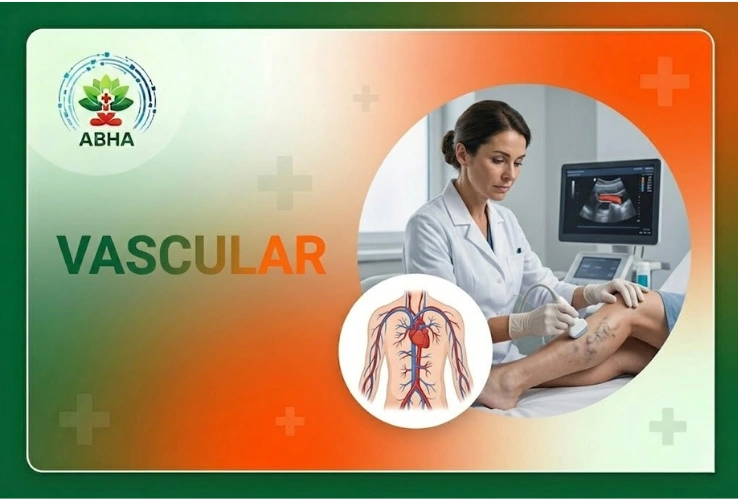
Leg pain, heaviness, swelling and visible twisted veins can be signs of an underlying vascular condition. If these symptoms persist, worsen or affect your daily activities, consult a vascular specialist for an assessment.
• Aching, Heavy or Tired Legs: Discomfort that becomes more noticeable towards the end of the day may be associated with vein problems.
• Swollen Ankles: Persistent ankle swelling can occur when blood or fluid accumulates in the lower legs.
• Bulging, Twisted Veins: Enlarged veins that appear blue or purple may indicate varicose veins.
• Itching or Skin Changes: Itching, darkened skin or hardened skin around the ankle may be associated with chronic venous insufficiency.
• Leg Cramps While Walking: Pain or cramping that develops during walking and improves with rest can be a symptom of peripheral artery disease.
• Non-Healing Sores: Sores on the legs or feet that heal slowly or do not heal require medical evaluation, particularly when circulation is impaired.
• Cold, Numb or Weak Legs: These symptoms can indicate a circulation problem and should be assessed by a healthcare professional.
Certain vascular symptoms require immediate medical attention. Go to an emergency department immediately if you experience any of the following:
• Sudden Swelling in One Leg: Sudden swelling accompanied by pain or warmth may indicate a blood clot in a deep vein.
• Sudden Shortness of Breath or Chest Pain: These symptoms, especially when accompanied by leg swelling, may indicate a serious complication such as a pulmonary embolism. Seek emergency care immediately.
• A Suddenly Cold, Pale, Painful or Numb Leg or Foot: This can indicate an acute interruption of blood flow and requires emergency assessment.
• Heavy Bleeding from a Varicose Vein: Apply firm, direct pressure to the bleeding area and lie down with the affected leg raised while obtaining emergency medical help.
A vascular surgeon examines your legs and reviews your symptoms to assess the severity of the vein problem. A Doppler ultrasound is commonly used to evaluate blood flow, identify faulty vein valves and determine which veins are leaking or allowing blood to flow backwards.
The ultrasound findings help your specialist select an appropriate treatment. Before agreeing to a procedure, ask whether a Doppler ultrasound is required, what the results show and why the recommended treatment is suitable for your condition.
Varicose vein treatment depends on your symptoms, ultrasound findings, the size and location of the affected veins and your overall health. Options range from conservative management to minimally invasive vein closure procedures and surgery.
| Treatment Option | What It Is | Suited To |
|---|---|---|
| Compression Stockings and Lifestyle Changes | Support stockings, regular walking, leg elevation and weight management. | Mild symptoms or patients managing symptoms while deciding on further treatment. |
| Sclerotherapy | An injection of a solution that closes the targeted vein. | Spider veins and selected small varicose veins. |
| Endovenous Laser Ablation (EVLA) | A laser fibre is inserted into the affected vein to close it from the inside. | Larger veins with faulty valves and reflux. |
| Radiofrequency Ablation (RFA) | A catheter delivers heat to close the affected vein. | Larger veins with faulty valves and reflux. |
| Medical Glue and Other Closure Methods | A medical adhesive or another technique seals the affected vein. | Selected patients, depending on vein anatomy and clinical suitability. |
| Surgery (Stripping or Phlebectomy) | The affected vein is removed through surgical incisions, which may be small. | Severe cases or cases unsuitable for other treatment methods. |
Endovenous laser ablation and radiofrequency ablation are established treatment options for suitable patients. Neither method is universally better for everyone. The right approach depends on your vein anatomy, ultrasound findings and the treating surgeon's experience. Ask your specialist which procedure is recommended for you and why.
Laser and radiofrequency procedures are generally performed by inserting a catheter or fibre through a needle puncture or small entry point, often under local anaesthesia. They are minimally invasive vein treatments and are not laparoscopic surgery.
• Same-Day Discharge and Walking: Many patients can go home on the day of the procedure and start walking soon afterwards, as advised by their treating team.
• Compression Stockings: You may be advised to wear compression stockings for a week or two, depending on your procedure and your surgeon's instructions.
• Bruising and Tightness: Bruising, tenderness or a feeling of tightness along the treated vein can occur and usually improves over the following weeks.
• Return to Desk Work: Many patients can return to desk-based work within a few days, although recovery time varies by individual and procedure.
Varicose vein procedures are generally well tolerated, but side effects and complications can occur. Common problems include bruising, soreness, skin discolouration and inflammation of a vein. Less common complications include blood clots, nerve irritation and skin burns. Varicose veins can also recur over time or new veins may become visible.
Your vascular surgeon should explain the potential risks, expected recovery and follow-up requirements for your particular case before treatment.
The cost of varicose vein treatment in Delhi varies depending on the procedure, severity of the condition and hospital. Published cost guides show a wide range, from tens of thousands of rupees to over ₹1 lakh per leg. One major hospital group's published guide lists radiofrequency ablation at approximately ₹75,000 to ₹1,35,000 for one leg. Other sources may quote lower prices for laser treatment and sclerotherapy. Treating both legs generally costs more than treating one leg.
Important: These are indicative published figures, not a personalised quotation. Add the date on which prices were verified and replace these figures with current, confirmed prices from partner hospitals before publication.
• Treatment Method: The cost depends on whether the patient needs sclerotherapy, endovenous laser ablation, radiofrequency ablation, medical glue or conventional surgery.
• Number and Size of Veins: The number of affected veins and the length of the vein requiring treatment can influence the total cost.
• One Leg or Both Legs: Treating both legs generally costs more than treating a single leg.
• Hospital Category: Hospital facilities, procedure charges and the level of care provided can affect the estimate.
• Diagnostic Tests and Consultation: Doppler ultrasound, specialist consultation and other required investigations may be charged separately.
• Compression Stockings and Follow-Up: The total expense may include compression stockings, follow-up appointments and post-procedure care.
• Per-Session or Complete Treatment Charges: Some quotations cover one session, while others include the complete treatment plan. Clarify what the quoted amount covers before making a decision.
Before proceeding, ask the hospital for an itemised written estimate. Confirm whether the quotation includes the Doppler ultrasound, consultation, procedure, medicines, compression stockings and follow-up visits. This helps you understand the likely total expense and avoid unexpected charges.
Insurance coverage for varicose vein treatment generally depends on whether the procedure is considered medically necessary under your policy. Treatment for symptoms such as pain, swelling, skin changes, ulcers or bleeding may be more likely to qualify for coverage than treatment performed purely for cosmetic reasons. However, coverage is subject to the insurer's terms, exclusions and approval requirements.
• Document Your Symptoms: Ask your doctor to record your symptoms, clinical examination and relevant Doppler ultrasound findings in your medical records.
• Check Your Policy: Contact your insurer to understand the policy's coverage, exclusions, waiting periods and pre-authorisation requirements.
• Confirm Before Admission: Ask the hospital's insurance desk whether the proposed procedure can be processed under your policy and whether approval is required before treatment.
• Check Government Health Schemes: If you have an Ayushman Bharat, CGHS or similar health scheme card, ask the hospital's help desk whether your specific procedure is covered at that facility. Do not assume coverage without confirmation.
Confirm the coverage decision and any expected out-of-pocket expenses before scheduling treatment. Final approval depends on the applicable scheme or insurance policy and the patient's medical circumstances.
Peripheral artery disease occurs when arteries supplying blood to the legs become narrowed, reducing circulation. Treatment may begin with stopping smoking, supervised walking and medicines to manage risk factors and protect cardiovascular health. In severe cases, procedures such as angioplasty with stent placement or bypass surgery may be required to improve blood flow. The recommended treatment depends on the location and severity of the blockage.
Deep vein thrombosis is a condition in which a blood clot forms in a deep vein, commonly in the leg. Treatment usually involves blood-thinning medicines, while selected cases may require procedures to remove or treat the clot. Suspected DVT needs same-day medical assessment. Sudden shortness of breath or chest pain, particularly with leg swelling, requires emergency care.
Wounds on the legs and feet that heal slowly or fail to heal need proper medical evaluation. A vascular assessment may help identify whether poor arterial blood flow or venous disease is contributing to the problem. Wound care and treatment of the underlying cause may both be necessary. This assessment is particularly important for people with diabetes, who may be at increased risk of foot complications.
Choosing an appropriately qualified vascular specialist is an important step in managing varicose veins and other blood vessel conditions. Before selecting a doctor or hospital in West Delhi, consider the following factors:
• Relevant Qualifications: Look for a surgeon with an MCh or DNB in vascular surgery, or equivalent recognised training. Check the doctor's registration details through the appropriate medical register.
• Experience With Your Procedure: Ask about the surgeon's experience with the specific treatment being recommended, including laser ablation, radiofrequency ablation or surgery.
• Doppler Ultrasound Assessment: Confirm that your condition will be properly assessed, including Doppler ultrasound when clinically indicated, before a treatment plan is finalised.
• Clear Explanation of Options: Your surgeon should explain suitable treatments, expected benefits, possible risks and whether conservative or non-surgical management may be appropriate.
• Hospital Facilities: Choose a facility with the equipment, clinical support and arrangements needed to manage complications if they arise.
• Written Estimate and Follow-Up Plan: Request a clear cost estimate and understand what follow-up care will be required after the procedure.
Vascular Surgeon Profiles: Add two to four verified specialist profiles, including each doctor's name, qualifications, years of experience, associated hospital and professional photograph. Confirm all details with the doctor or hospital before publishing.
AbhaCare helps patients in Vikaspuri, Janakpuri and nearby areas navigate the process of seeking vascular care. Patients can get assistance with arranging a consultation, understanding cost estimates and checking potential insurance coverage.
• Specialist Consultation: Helps connect patients with a vascular surgeon according to their symptoms and care requirements.
• Itemised Cost Estimates: Helps patients obtain and compare itemised estimates from partner hospitals, subject to availability.
• Insurance and Scheme Checks: Assists patients in checking potential insurance coverage and government scheme eligibility with the relevant hospital or insurer.
• Treatment Coordination: Supports patients with paperwork, treatment coordination and follow-up arrangements, according to the services available.
Contact Information: Add AbhaCare's verified address, contact number, operating hours and map here before publication.
AbhaCare supports patients seeking vascular consultations and treatment coordination across the following areas of Delhi NCR:
• Vikaspuri
• Janakpuri
• Uttam Nagar
• Dwarka
• West Delhi
• South Delhi
• East Delhi
• North Delhi
Often they cause only discomfort, but they can lead to skin changes, ulcers, bleeding or clots. Get them assessed if you have symptoms.
Not always. Mild cases are managed with stockings and lifestyle changes. Larger leaking veins are usually treated with laser or radiofrequency, and open surgery is rare today.
It is done under local anaesthesia. You may feel pressure or mild discomfort, and soreness afterwards is common.
Most people walk the same day and return to desk work within a few days.
Yes, new veins can develop over time. Your surgeon can explain your risk.
Often when medically necessary, and usually not when purely cosmetic. Confirm with your insurer.
Published figures vary widely by method and hospital. Ask for an itemised estimate.
A suddenly swollen, painful leg, or a suddenly cold, pale or numb leg, or chest pain or breathlessness with a swollen leg. Go to an emergency department immediately.
AbhaCare also ensures post-treatment follow-up and recovery guidance to help patients heal safely. Our focus is on providing reliable vascular care with long-term health benefits and patient confidence.
Don’t ignore symptoms related to blood circulation. Early treatment can prevent serious complications.