Can a 10mm Kidney Stone Pass Without Surgery? What You Should Know
A 10mm kidney stone is considered a relatively large stone, and the chances of it passing naturally are significantly lower than those of smaller stones. Whether a 10mm kidney stone can pass without surgery depends on several factors, including its location, shape, the anatomy of the urinary tract, and whether it is causing blockage or infection.
Small kidney stones may sometimes pass naturally with fluids, pain management, and medical observation. However, a stone around 10mm may have difficulty passing through the ureter, particularly if it has already moved from the kidney toward the bladder.
If you have been diagnosed with a 10mm stone, it is important to understand when observation may be reasonable and when a urologist may recommend an active stone-removal procedure.
What Does a 10mm Kidney Stone Mean?
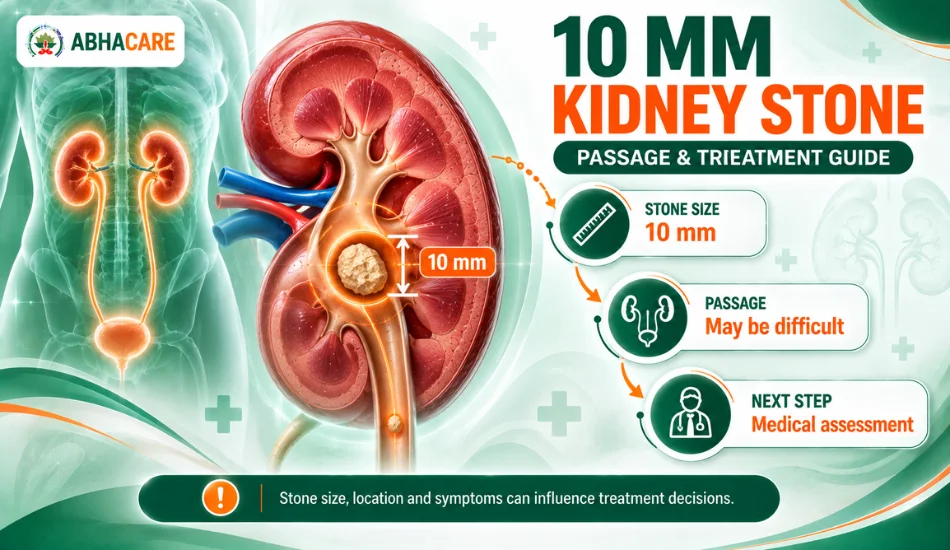
Kidney stone size is usually measured in millimetres (mm). A 10mm stone is approximately 1 centimetre in diameter.
For comparison:
| Stone Size | General Chance of Natural Passage |
|---|---|
| Less than 5mm | Often passes naturally |
| 5–7mm | Passage becomes less predictable |
| 7–9mm | Lower chance of spontaneous passage |
| Around 10mm | Natural passage is unlikely in many cases |
| Larger than 10mm | Active treatment is frequently considered |
These are general clinical patterns rather than guarantees. The stone's location is also extremely important.
A 10mm stone sitting inside the kidney may behave differently from a 10mm stone lodged in the ureter.
Can a 10mm Kidney Stone Pass Naturally?
It is possible, but the likelihood is relatively low, especially if the stone is located in the ureter.
The ureter is a narrow muscular tube that carries urine from the kidney to the bladder. A stone must travel through this passage to reach the bladder before it can leave the body during urination.
As stone size increases, the likelihood of spontaneous passage generally decreases.
A doctor may consider observation in selected patients when:
- The patient has manageable symptoms
- There is no significant urinary obstruction
- There is no infection
- Kidney function is stable
- The stone's location makes passage more plausible
- The patient can attend follow-up appointments
- Imaging shows that immediate intervention is not necessary
However, a 10mm stone should not simply be ignored because there is a possibility that it could pass.
Why Is a 10mm Stone Difficult to Pass?
The main challenge is the narrow diameter of the ureter.
Even though the urinary tract can stretch to some degree, a stone measuring around 10mm may become stuck at naturally narrow areas of the ureter.
Common locations where stones can cause obstruction include:
- The junction between the kidney and ureter
- The middle portion of the ureter
- The junction between the ureter and bladder
When a stone blocks urine flow, pressure can build up inside the kidney. Persistent obstruction can potentially damage kidney function.
Does Stone Location Affect Treatment?
Yes. Location is one of the most important factors when deciding whether a kidney stone may pass or require treatment.
Stone Inside the Kidney
A 10mm stone located within the kidney may not immediately cause obstruction. If it is not causing symptoms or complications, a urologist may sometimes recommend monitoring depending on its location and clinical circumstances.
Stone in the Upper Ureter
A 10mm stone in the upper ureter generally has a lower chance of passing naturally and may require active treatment.
Stone in the Lower Ureter
Stones closer to the bladder may have a better chance of passing than stones located higher in the ureter, although a 10mm stone still presents a significant challenge.
The final decision should be based on imaging and clinical evaluation rather than size alone.
Symptoms of a 10mm Kidney Stone
A kidney stone can cause symptoms ranging from mild discomfort to severe renal colic.
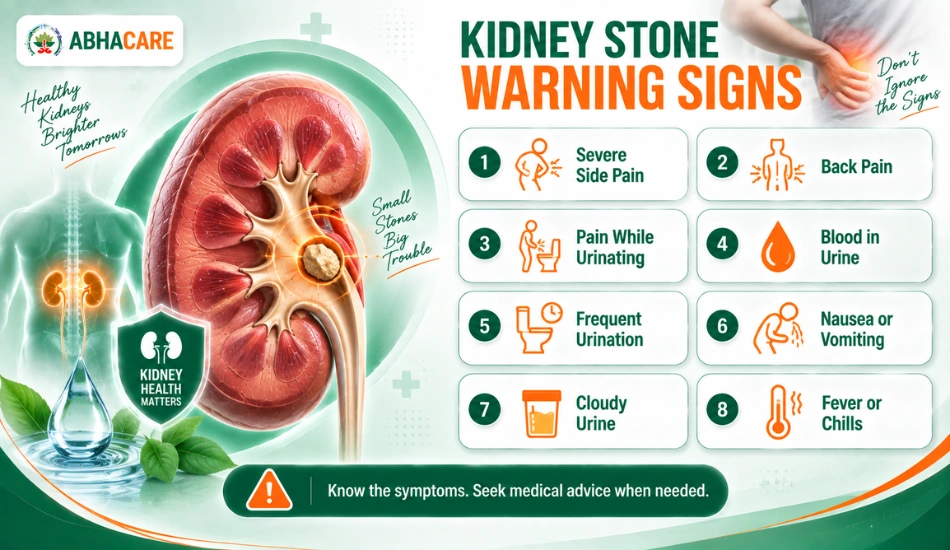
Common symptoms include:
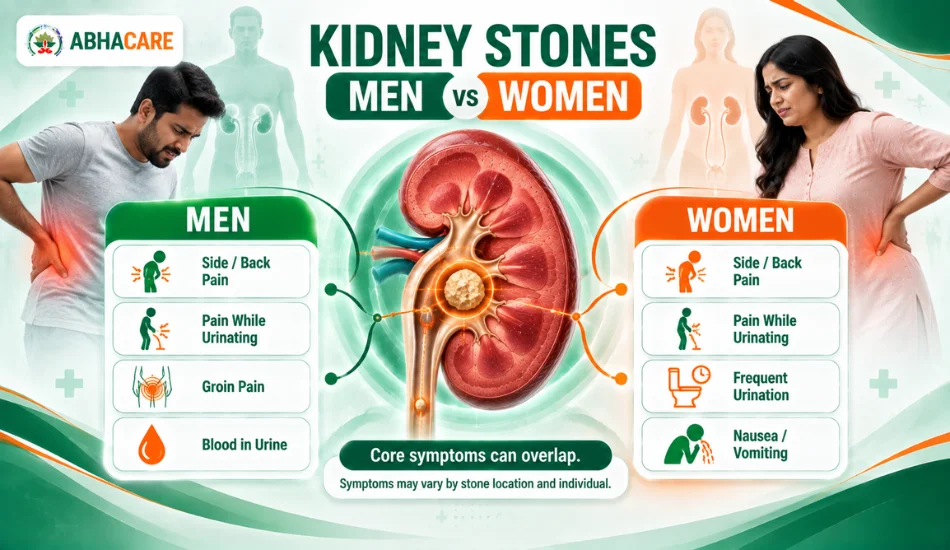
- Severe pain in the side or back
- Pain spreading toward the lower abdomen or groin
- Pain that comes and goes in waves
- Burning while urinating
- Frequent urge to urinate
- Blood in the urine
- Nausea or vomiting
- Difficulty passing urine
- Restlessness due to severe pain
Some kidney stones can remain silent for a long time and may be discovered during an ultrasound or CT scan performed for another reason.
Can Medicines Help a 10mm Kidney Stone Pass?
Medication can sometimes help selected ureteric stones pass by relaxing the ureter and controlling symptoms.
Doctors may use medicines for:
- Pain control
- Nausea and vomiting
- Ureteric relaxation in appropriate patients
- Management of urinary symptoms
However, medicines do not guarantee that a 10mm stone will pass.
Medical expulsive therapy is generally more useful for appropriately selected ureteric stones, particularly depending on their location and size.
Do not take prescription medicines without medical advice, especially if you have kidney disease, other medical conditions, or are taking other medications.
Does Drinking More Water Remove a 10mm Stone?
Adequate hydration is important for urinary health, but drinking excessive amounts of water cannot reliably force a 10mm stone through a blocked ureter.
If a stone is causing significant obstruction, trying to drink very large quantities of water can increase discomfort without solving the obstruction.
A better approach is to maintain appropriate hydration and follow the fluid advice provided by your doctor.
If you have severe pain, vomiting, reduced urine output, or suspected obstruction, medical evaluation is more important than attempting to flush the stone out yourself.
When Does a 10mm Kidney Stone Need Surgery?
A urologist may recommend active stone treatment when the stone is unlikely to pass or is causing complications.
Treatment may be considered when there is:
- Persistent or severe pain
- Urinary obstruction
- Increasing kidney swelling
- Recurrent urinary infection
- Reduced kidney function
- Blood in the urine with other concerning symptoms
- Failure of conservative management
- A stone in a location where spontaneous passage is unlikely
- A growing stone
- Patient preference after discussing treatment options
The word "surgery" can sound alarming, but many modern kidney stone treatments are minimally invasive and do not involve traditional open surgery.
Treatment Options for a 10mm Kidney Stone
The best treatment depends on whether the stone is in the kidney or ureter, its exact location, density, symptoms, and the patient's overall health.
1. Shock Wave Lithotripsy (SWL)
SWL uses focused shock waves to break a stone into smaller fragments.
The fragments may then pass through the urinary tract.
SWL may be suitable for selected stones depending on:
- Stone size
- Stone location
- Stone composition
- Stone density
- Body anatomy
- Distance of the stone from the skin
Sometimes more than one session may be required.
2. Ureteroscopy (URS)
During ureteroscopy, a thin instrument is passed through the natural urinary passage to reach the stone.
The urologist can then:
- Locate the stone
- Break it using a laser
- Remove stone fragments
A temporary ureteral stent may sometimes be placed to help urine drainage and healing.
Ureteroscopy is commonly used for ureteric stones and selected kidney stones.
3. RIRS
Retrograde Intrarenal Surgery (RIRS) is a minimally invasive procedure used to treat stones located inside the kidney.
A flexible scope is guided through the urinary tract into the kidney. A laser can then fragment the stone into smaller pieces, which may be removed or allowed to pass depending on the clinical situation.
RIRS can be an important treatment option for appropriately selected kidney stones around 10mm or larger.
4. PCNL
Percutaneous Nephrolithotomy (PCNL) is generally used for larger or more complex kidney stones.
A small access tract is created through the skin into the kidney, allowing instruments to reach and remove or fragment the stone.
For a simple 10mm stone, PCNL may not always be the first choice, but it can be considered in selected cases depending on stone characteristics and anatomy.
Which Treatment Is Best for a 10mm Stone?
There is no single treatment that is best for every 10mm kidney stone.
The urologist may consider:
- Exact stone size
- Kidney or ureter location
- Stone density
- Stone composition
- Number of stones
- Urinary obstruction
- Kidney function
- Infection
- Previous stone treatments
- Patient's overall health
A CT scan can provide important information about stone size, location, density, and urinary obstruction.
10mm Kidney Stone: Surgery vs Waiting
| Factor | Observation | Active Treatment |
|---|---|---|
| Symptoms | Mild or absent | Persistent/severe |
| Obstruction | None/minimal | Significant |
| Infection | No infection | Infection present |
| Kidney function | Stable | At risk |
| Stone passage | Possible | Unlikely |
| Follow-up | Essential | Procedure planned |
Observation is not the same as ignoring the stone. If a doctor recommends monitoring, regular follow-up and repeat imaging may be necessary.
Can a 10mm Kidney Stone Cause Kidney Damage?
A kidney stone does not automatically cause permanent kidney damage.
However, persistent urinary obstruction can put pressure on the kidney and may affect kidney function if it remains untreated.
The risk becomes more concerning when obstruction is accompanied by infection.
This is why a patient with a large stone and symptoms should not rely solely on home remedies.
10mm Kidney Stone With Infection: Seek Urgent Care
A blocked urinary system combined with infection can become a medical emergency.
Seek urgent medical attention if you have a kidney stone along with:
- Fever
- Chills
- Severe weakness
- Vomiting
- Severe flank pain
- Difficulty or inability to pass urine
- Confusion
- Rapidly worsening symptoms
An infected obstructed kidney may require urgent drainage before definitive stone treatment.
What Tests Are Used to Evaluate a 10mm Stone?
Your urologist may recommend different tests depending on your symptoms.
Ultrasound
Ultrasound can identify kidney stones, kidney swelling, and urinary obstruction in many cases.
CT Scan
A non-contrast CT scan is often highly useful for evaluating kidney stones because it can show:
- Exact stone size
- Stone location
- Number of stones
- Urinary obstruction
- Kidney anatomy
- Stone density
Urine Tests
Urine testing can help identify blood, infection, or other abnormalities.
Blood Tests
Blood tests may be used to assess:
- Kidney function
- Infection
- Electrolytes
- Other relevant health factors
The combination of symptoms, imaging, and laboratory findings helps the urologist determine the safest treatment strategy.
Can You Prevent Another Kidney Stone?
Yes. Once the immediate stone problem has been managed, prevention becomes important.
Your prevention plan may include:
Stay Properly Hydrated
Drink enough fluid to maintain good urine output unless your doctor has advised a fluid restriction.
Reduce Excess Salt
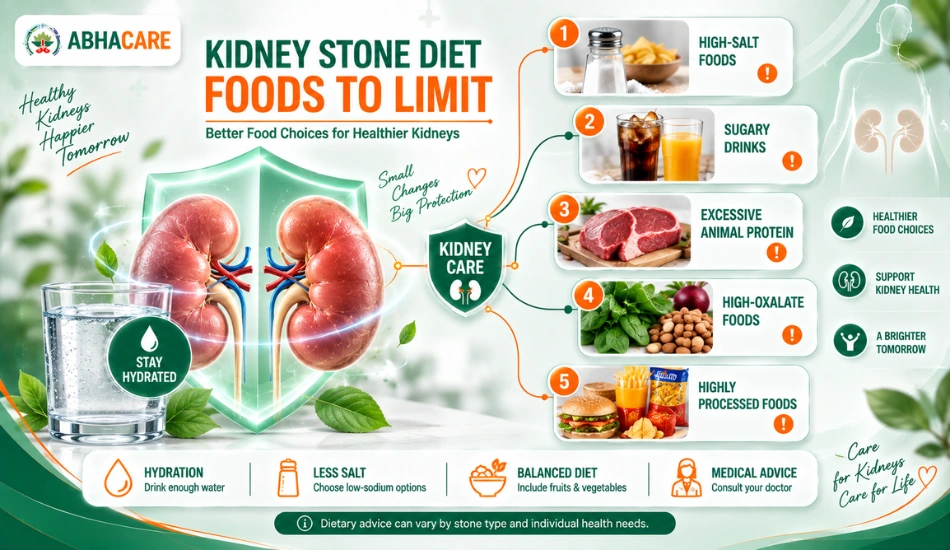
High sodium intake can increase urinary calcium excretion in some people and may contribute to stone formation.
Maintain a Balanced Diet
A balanced diet with appropriate amounts of fruits, vegetables, protein, and calcium can support kidney stone prevention.
Don't Eliminate Calcium Without Medical Advice
Dietary calcium is not necessarily the enemy. Restricting calcium unnecessarily can sometimes be counterproductive depending on the type of kidney stone.
Identify the Stone Type
If a stone is retrieved, laboratory analysis can help determine its composition and guide future prevention.
When Should You See a Urologist?
You should consider a urology evaluation if imaging has already confirmed a 10mm kidney stone, particularly if you have pain, blood in the urine, recurrent urinary infections, or urinary obstruction.
A urologist can determine whether observation is appropriate or whether a minimally invasive procedure would provide a safer and more effective solution.
If you are looking for professional evaluation and treatment planning, Get Expert Kidney Stone Treatment Today and discuss your scan reports, symptoms, and available treatment options with a qualified urology team.
Frequently Asked Questions (FAQs)
Can a 10mm kidney stone pass naturally?
▼It can happen, but a 10mm stone has a relatively low chance of spontaneous passage, particularly when it is located in the ureter. The exact probability depends on its location and individual anatomy.
Is a 10mm kidney stone considered large?
▼A 10mm stone is generally considered a relatively large kidney stone and is more difficult to pass naturally than smaller stones.
Can medicine dissolve a 10mm kidney stone?
▼Most kidney stones cannot simply be dissolved with medicines. A specific type of stone, such as certain uric acid stones, may sometimes respond to urine alkalinization under medical supervision. The stone's composition matters.
Is surgery always required for a 10mm kidney stone?
▼No. Treatment depends on the stone's location, symptoms, obstruction, infection, kidney function, and other factors. Some stones can be monitored, while others require active removal.
Is laser treatment possible for a 10mm kidney stone?
▼Yes. Laser stone treatment through procedures such as ureteroscopy or RIRS can be used for appropriately selected 10mm kidney stones.
How long can I wait with a 10mm kidney stone?
▼There is no universal safe waiting period. A doctor may recommend observation in selected cases, but the decision should be based on imaging, symptoms, kidney function, and the presence or absence of obstruction or infection.
Final Takeaway
A 10mm kidney stone can sometimes pass without surgery, but spontaneous passage is considerably less likely than with smaller stones. The location of the stone, urinary obstruction, symptoms, infection, kidney function, and stone characteristics all influence the treatment decision.
Do not rely only on drinking extra water or home remedies when a 10mm stone has been diagnosed. A urologist can review your imaging and determine whether observation, medication, shock wave lithotripsy, ureteroscopy, RIRS, or another procedure is appropriate.
If you have severe pain, fever, chills, vomiting, difficulty passing urine, or other concerning symptoms, seek medical attention promptly.
Get Expert Kidney Stone Treatment Today and have your kidney stone evaluated based on its size, location, and individual clinical condition.