Kidney Stones in Men and Women: Are the Symptoms Different?
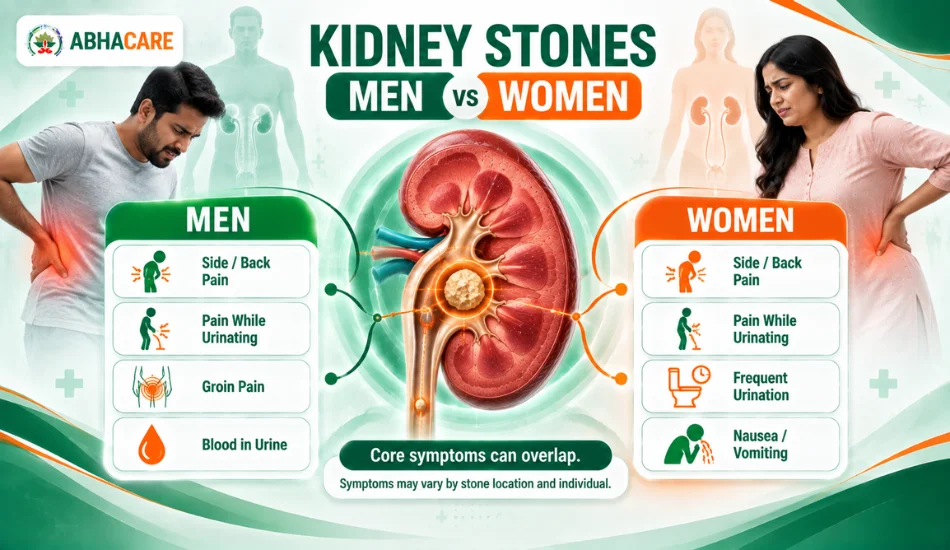
Kidney stones can affect both men and women, and the core symptoms are often very similar. Sharp pain in the back or side, pain that moves toward the lower abdomen or groin, blood in the urine, nausea, vomiting, and changes in urination are among the most common signs. However, some patients may experience symptoms differently, and certain conditions that commonly occur alongside urinary symptoms can make the presentation less straightforward.
Understanding these differences can help you recognize when symptoms may require medical evaluation instead of being mistaken for a routine urinary infection, digestive problem, muscle pain, or another condition.
According to the National Institute of Diabetes and Digestive and Kidney Diseases (NIDDK), kidney stones are more common in men than women, although kidney stone disease is also increasingly recognized among women.
What Are Kidney Stones?
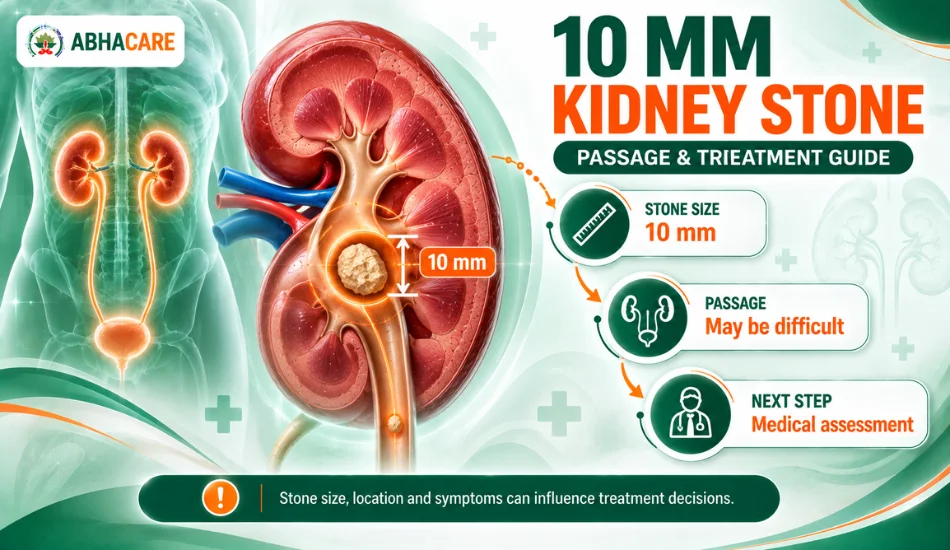
Kidney stones are hard deposits that form when certain minerals and substances become concentrated in urine and crystallize. They can remain inside the kidney without causing symptoms, but symptoms often begin when a stone moves into the ureter—the narrow tube that carries urine from the kidney to the bladder.
When a stone becomes lodged in the ureter, it can interfere with urine flow and cause significant pain. The symptoms depend more on the stone's size, location, movement, and whether it is causing obstruction or infection than simply on whether the patient is male or female.
Are Kidney Stone Symptoms Different in Men and Women?
The short answer is: the main symptoms are generally the same, but their intensity, associated symptoms, and possible alternative explanations can differ.
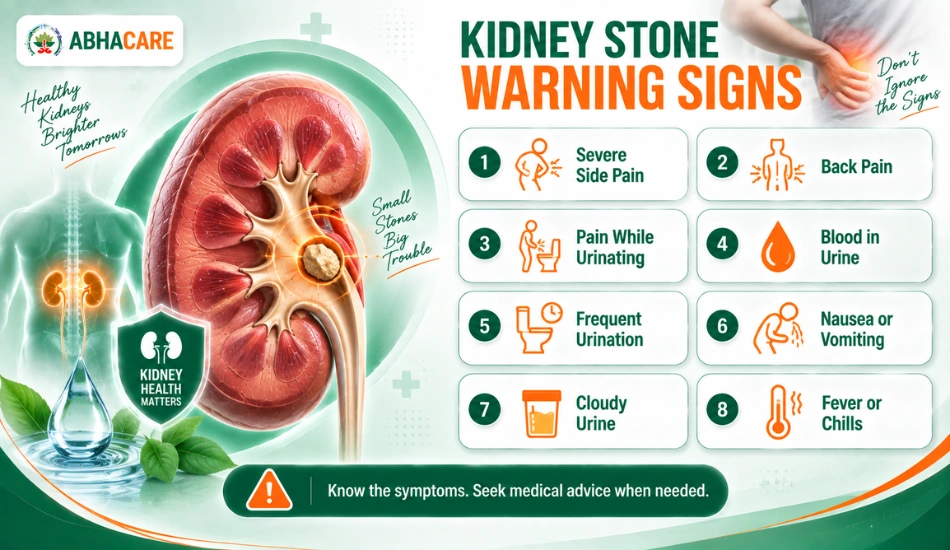
Both men and women may experience:
- Sharp pain in the side or back
- Pain that moves toward the lower abdomen or groin
- Pain that comes and goes in waves
- Blood in the urine
- Burning or pain during urination
- Frequent or urgent urination
- Nausea and vomiting
- Cloudy or foul-smelling urine
- Difficulty passing urine
However, studies have found differences in how some patients present. For example, one study of patients with ureteral stones found that women had higher rates of nausea and vomiting and certain inflammatory findings, while men in that study had higher creatinine levels and higher rates of spontaneous stone expulsion. These findings describe a patient population and do not mean every man or woman will experience kidney stones in the same way.
Kidney Stone Symptoms in Men
1. Pain in the Side, Back, or Groin
One of the classic kidney stone symptoms in men is sudden, severe pain in the flank or lower back. The pain may travel toward the lower abdomen, groin, or genital region as the stone moves down the urinary tract.
The pain may come in waves rather than remaining constant. Its location can also change as the stone travels.
2. Pain or Burning During Urination
When a stone moves closer to the bladder, a man may experience burning or discomfort while urinating. This symptom can sometimes be confused with a urinary tract infection or another urinary condition.
3. Blood in the Urine
A kidney stone can irritate the urinary tract and cause blood in the urine. The urine may appear pink, red, or brown, although blood may sometimes only be detected through laboratory testing.
4. Frequent Urination or Urgency
A stone located near the lower part of the ureter can create a frequent urge to urinate. A person may feel that they need to urinate repeatedly but pass only a small amount.
5. Nausea and Vomiting
Severe renal colic can trigger nausea or vomiting. These symptoms can occur in both men and women.
6. Difficulty Passing Urine
If a stone blocks urine flow, a man may experience difficulty urinating or may produce only a small amount of urine. This should not be ignored, particularly when accompanied by severe pain.
Kidney Stone Symptoms in Women
Women can experience the same classic symptoms, but there is an additional diagnostic challenge: some kidney stone symptoms can resemble common urinary or pelvic conditions.
1. Flank or Back Pain
Sudden pain on one side of the back or beneath the ribs can be associated with a moving kidney stone. The pain may spread toward the lower abdomen or groin.
2. Lower Abdominal or Pelvic Discomfort
As a stone moves toward the bladder, discomfort may be felt lower in the abdomen or pelvis. Because pelvic pain has many possible causes, kidney stones may not always be immediately suspected.
3. Burning During Urination
Burning while urinating can occur with a kidney stone, particularly when the stone is near the bladder. However, burning is also common with urinary tract infections, so additional evaluation may be needed.
4. Urinary Frequency and Urgency
A woman may feel an increased need to urinate, particularly when a stone irritates the lower urinary tract.
5. Nausea and Vomiting
Nausea and vomiting may accompany severe renal colic. Research has reported higher rates of these symptoms among female patients in some clinical populations, although individual experiences vary.
6. Blood in the Urine
Blood may appear pink, red, or brown, or it may only be detected through a urine test.
Kidney Stones vs UTI: Why Women May Face Confusion
One important reason kidney stones can be difficult to recognize is that several symptoms overlap with urinary tract infections.
Both conditions may cause:
| Symptom | Kidney Stones | UTI |
|---|---|---|
| Burning urination | Possible | Common |
| Frequent urination | Possible | Common |
| Blood in urine | Possible | Possible |
| Side/back pain | Common with obstruction | Possible, especially with kidney infection |
| Severe wave-like pain | More typical | Less typical |
| Nausea/vomiting | Possible | Possible with kidney infection |
| Fever/chills | Concerning for infection | Can occur |
This does not mean symptoms alone can reliably distinguish the two conditions. Urine testing and, when appropriate, imaging may be needed.
A kidney stone can also coexist with a urinary infection. This combination can become serious if an infected urinary system is obstructed.
Why Men Are More Likely to Develop Kidney Stones
Historically, kidney stones have been more common in men than women. NIDDK reports that approximately 11% of men and 6% of women in the United States have had kidney stones at least once.
However, the difference between men and women is not absolute. Kidney stones can occur at any age and in either sex.
Risk can be influenced by factors such as:
- Not drinking enough fluids
- Previous kidney stones
- Family history
- Obesity
- Certain dietary patterns
- High urinary calcium or oxalate
- High uric acid levels
- Gout
- Certain digestive conditions
- Recurrent urinary infections
- Some medications
- Certain inherited conditions
Therefore, being female does not mean kidney stones are unlikely, and being male does not mean every episode of flank pain is caused by a stone.
Does the Location of the Stone Affect Symptoms?
Yes. Stone location can significantly influence what a person feels.
A stone that remains inside the kidney may cause no symptoms at all. Symptoms often become more noticeable when the stone enters the ureter.
Kidney or Upper Ureter
Pain may primarily be felt in the side or back.
Middle Ureter
Pain may move toward the lower abdomen.
Lower Ureter
Pain can move toward the groin and may be accompanied by urinary urgency or frequency.
The size and location of the stone also influence whether it is likely to pass naturally or require treatment.
How Are Kidney Stones Diagnosed in Men and Women?
Doctors generally use a combination of medical history, physical examination, urine or blood tests, and imaging.
Urine Test
A urinalysis can help identify blood, minerals, white blood cells, and bacteria. This can help determine whether symptoms may be associated with a stone, infection, or both.
Blood Tests
Blood testing may help evaluate kidney function and identify certain mineral abnormalities.
Ultrasound
Ultrasound can identify many stones and may show urinary obstruction or swelling of the kidney. It is also useful in selected situations where avoiding radiation is important.
CT Scan
A CT scan can provide detailed information about the stone's size and location and can help identify obstruction or other causes of pain. The choice of imaging depends on the patient's situation.
NIDDK notes that healthcare professionals may use laboratory and imaging tests to diagnose kidney stones and identify urinary blockage or other contributing problems.
When Should Men or Women See a Doctor for Kidney Stone Symptoms?
You should seek medical evaluation if you experience unexplained severe flank or abdominal pain, blood in the urine, persistent urinary symptoms, or repeated episodes of suspected kidney stones.
Prompt medical attention is especially important if you have:
- Severe or worsening pain
- Fever or chills
- Vomiting that prevents you from keeping fluids down
- Difficulty passing urine or inability to urinate
- Blood in the urine
- Severe weakness or dehydration
- Known kidney disease
- A single functioning kidney
- Symptoms suggesting a urinary infection along with suspected obstruction
Fever and chills together with urinary obstruction can indicate a potentially serious infection and should not be managed at home without medical assessment. NIDDK recommends seeking medical care for symptoms such as severe pain, bleeding, inability to urinate, fever, or chills.
Do Men and Women Need Different Kidney Stone Treatments?
Not necessarily. Treatment is generally selected according to the stone's size, location, composition, symptoms, degree of obstruction, kidney function, and presence or absence of infection, rather than simply the patient's sex.
Depending on the situation, treatment may include:
- Observation for selected small stones likely to pass
- Pain management
- Medical treatment for selected ureteral stones
- Shock wave lithotripsy (SWL)
- Ureteroscopy with stone removal or laser fragmentation
- Other endoscopic procedures
- Percutaneous procedures for larger or complex stones
Small stones may pass without an operation, while larger stones, stones causing obstruction, persistent severe symptoms, or stones associated with complications may require active treatment.
Can Kidney Stones Affect Fertility or Sexual Health?
A kidney stone itself does not automatically cause infertility in men or women. However, severe pain, infection, urinary obstruction, underlying medical conditions, or complications can affect overall health and quality of life.
Men with urinary symptoms should also be evaluated for other conditions involving the prostate or urinary tract when appropriate. Women with pelvic or urinary symptoms may require assessment for gynecological as well as urinary causes depending on the clinical picture.
This is one reason it is important not to assume that every episode of urinary pain is caused by a kidney stone.
How Can Men and Women Reduce the Risk of Future Kidney Stones?
Prevention depends partly on the type of stone a person forms. General measures may include maintaining adequate fluid intake, limiting excessive dietary sodium, and following an individualized diet based on stone type and metabolic evaluation.
Some practical habits include:
- Stay adequately hydrated: Drinking enough fluid helps dilute substances that can contribute to stone formation.
- Avoid excessive salt: High sodium intake can increase urinary calcium in some people.
- Maintain a balanced diet: Diet should be tailored to the stone type rather than unnecessarily eliminating major food groups.
- Maintain a healthy weight: Obesity is associated with an increased risk of kidney stones.
- Follow medical advice after a stone: Stone analysis and urine testing may help identify specific prevention strategies.
- Do not ignore recurrent symptoms: Repeated stones may require evaluation for an underlying metabolic or medical cause.
NIDDK notes that prevention can involve changes in fluid intake, diet, and, for some patients, medication.
Frequently Asked Questions (FAQs)
1. Are kidney stones more painful in men or women?
▼There is no simple rule that kidney stones are always more painful in one sex. Pain is strongly influenced by stone size, location, obstruction, movement, and individual sensitivity. Research has found differences in associated symptoms between male and female patients, but individual experiences vary.
2. Can women mistake kidney stones for a UTI?
▼Yes. Burning urination, urinary frequency, urgency, and blood in the urine can occur with both kidney stones and urinary infections. Severe flank pain that comes in waves may point more toward renal colic, but testing is often needed to determine the cause.
3. Do men have different kidney stone symptoms?
▼The core symptoms are usually similar. Men may experience flank or back pain, groin pain, blood in the urine, urinary urgency, painful urination, nausea, and vomiting. Symptoms can vary depending on the stone's location.
4. Can kidney stones cause blood in urine?
▼Yes. A moving stone can irritate the urinary tract and cause blood in the urine. The urine may appear pink, red, or brown, although blood can also be microscopic and detected only through testing.
5. Can a kidney stone cause fever?
▼A kidney stone itself does not necessarily cause fever. Fever or chills in a person with suspected kidney stones can indicate an infection, particularly when urine flow is blocked. This situation requires prompt medical assessment.
6. Should I see a urologist for kidney stone symptoms?
▼If you have recurrent stones, severe pain, a known stone, urinary obstruction, blood in the urine, or symptoms that are not improving, a urologist can assess the stone's size and location and determine whether observation or active treatment is appropriate.
7. Can a small kidney stone pass without surgery?
▼Some small stones can pass naturally, particularly when they are positioned favorably in the urinary tract. However, passage is not guaranteed. Stone size, location, obstruction, symptoms, and overall health all influence management.
Final Takeaway
Kidney stone symptoms in men and women are more alike than different. Severe flank or back pain, pain radiating toward the abdomen or groin, blood in the urine, urinary discomfort, nausea, and vomiting can occur in both.
The important difference is that individual patients may experience different combinations or intensities of symptoms. Women may have more difficulty distinguishing some stone symptoms from urinary or pelvic conditions, while men may have urinary symptoms that overlap with prostate or other urinary problems.
Most importantly, symptoms alone cannot determine the stone's size, location, or severity. Proper evaluation may require urine tests, blood tests, ultrasound, CT imaging, or other investigations. If symptoms are severe, recurrent, or accompanied by fever, chills, vomiting, or difficulty urinating, medical assessment should not be delayed.
If you are experiencing persistent or suspected kidney stone symptoms, Consult a Kidney Stone Specialist Today for appropriate evaluation and guidance.
Consult a Kidney Stone Specialist Today especially if you have recurrent stones, severe pain, blood in your urine, urinary blockage, or symptoms that are not improving.