Cardiologist vs Heart Specialist: Is There Any Difference?
Heart disease remains one of the leading health concerns worldwide, making early diagnosis and expert care more important than ever. When people experience symptoms like chest pain, high blood pressure, shortness of breath, or irregular heartbeat, they often search online for a cardiologist or a heart specialist. This naturally raises an important question: Is there any difference between a cardiologist and a heart specialist?
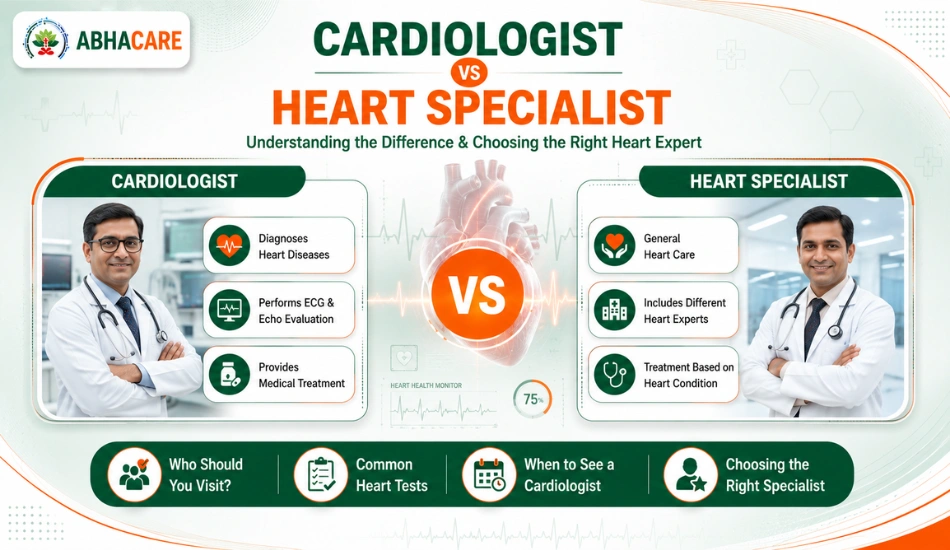
The simple answer is that a cardiologist is a type of heart specialist, but not every heart specialist is necessarily a cardiologist. The term "heart specialist" is broader and may include different medical professionals who diagnose or treat heart-related conditions. Understanding the difference can help patients choose the right doctor based on their symptoms and medical needs.
This comprehensive guide explains the difference between a cardiologist and a heart specialist, the conditions they treat, when you should consult them, available heart tests, treatment options, and how to choose the right heart doctor for the best possible care.
Table of Contents
1. What Is a Cardiologist?
2. What Is a Heart Specialist?
3. Cardiologist vs Heart Specialist: Key Difference
4. Conditions Treated by a Cardiologist
5. Signs You Should See a Heart Specialist
6. Common Heart Tests
7. Different Types of Heart Specialists
8. When Should You Visit a Cardiologist?
9. How to Choose the Right Heart Specialist
10. Heart Disease Prevention Tips
11. Frequently Asked Questions
12. Conclusion
What Is a Cardiologist?
A cardiologist is a doctor who specializes in diagnosing, treating, and preventing diseases related to the heart and blood vessels (cardiovascular system). After completing medical school and internal medicine training, a cardiologist undergoes advanced specialization in cardiology.
Cardiologists primarily treat medical heart conditions without performing open-heart surgery. They evaluate patients using advanced diagnostic tests and develop personalized treatment plans involving medications, lifestyle changes, and minimally invasive procedures when required.
A cardiologist plays an important role in preventing heart attacks, managing chronic heart diseases, and improving long-term cardiovascular health.
What Is a Heart Specialist?
The term heart specialist is a broad term used for any healthcare professional who specializes in diagnosing or treating heart-related diseases.
A heart specialist may include:
- Cardiologist
- Interventional Cardiologist
- Electrophysiologist
- Heart Failure Specialist
- Cardiac Surgeon
- Pediatric Cardiologist
- Preventive Cardiologist
In simple words, every cardiologist is a heart specialist, but some heart specialists focus on surgical or highly specialized areas beyond general cardiology.
Cardiologist vs Heart Specialist: Key Difference
| Feature | Cardiologist | Heart Specialist |
|---|---|---|
| Meaning | Medical doctor specializing in cardiology | General term for heart-care experts |
| Performs Heart Surgery | No | Some specialists (cardiac surgeons) do |
| Treats Heart Diseases | Yes | Yes |
| Prescribes Medicines | Yes | Depends on specialty |
| Focus Area | Medical management of heart disease | Medical or surgical heart care |
For most common heart-related symptoms, a cardiologist is usually the first specialist patients consult.
Conditions Treated by a Cardiologist
Cardiologists diagnose and manage a wide range of cardiovascular disorders.
- Coronary artery disease
- High blood pressure (Hypertension)
- Heart attack
- Heart failure
- Chest pain (Angina)
- Irregular heartbeat (Arrhythmia)
- High cholesterol
- Valve disorders
- Congenital heart disease in adults
- Cardiomyopathy
- Peripheral artery disease
Early diagnosis and regular follow-up can help reduce the risk of serious complications.
Signs You Should See a Heart Specialist
Many people ignore early symptoms of heart disease, assuming they are related to acidity, stress, or fatigue. However, recognizing warning signs early can significantly improve treatment outcomes.
- Chest pain or pressure
- Shortness of breath
- Irregular heartbeat
- Heart palpitations
- Dizziness or fainting
- Swelling in legs or ankles
- Persistent fatigue
- High blood pressure
- Family history of heart disease
- High cholesterol levels
If you experience any of these symptoms, consulting a qualified cardiologist without delay is recommended.
Common Heart Tests Recommended by a Cardiologist
Modern cardiology offers several diagnostic tests that help evaluate heart health accurately.
| Test | Purpose |
|---|---|
| ECG (Electrocardiogram) | Measures heart's electrical activity |
| 2D Echocardiography | Evaluates heart structure and pumping function |
| TMT (Stress Test) | Checks heart performance during exercise |
| Holter Monitoring | Records heart rhythm over 24–48 hours |
| CT Coronary Angiography | Assesses coronary artery blockages |
| Coronary Angiography | Identifies narrowed or blocked arteries |
| Lipid Profile | Measures cholesterol levels |
The choice of test depends on symptoms, medical history, age, and overall cardiovascular risk.
Different Types of Heart Specialists
General Cardiologist
Diagnoses and manages common cardiovascular diseases through medications, lifestyle guidance, and routine cardiac evaluations.
Interventional Cardiologist
Performs minimally invasive procedures such as coronary angiography, angioplasty, and stent placement to treat blocked arteries.
Electrophysiologist
Specializes in diagnosing and treating abnormal heart rhythms (arrhythmias), including procedures like catheter ablation and pacemaker implantation.
Cardiac Surgeon
Performs surgical procedures such as coronary artery bypass grafting (CABG), heart valve repair or replacement, and other complex heart surgeries.
Preventive Cardiologist
Focuses on reducing future cardiovascular risk through early screening, lifestyle modifications, and preventive treatment.
When Should You Visit a Cardiologist?
Scheduling a cardiology consultation is advisable if you have:
- Diabetes
- High blood pressure
- High cholesterol
- Obesity
- Smoking history
- Strong family history of heart disease
- Previous heart attack
- Persistent chest discomfort
- Breathlessness during daily activities
People above 40 years of age, especially those with multiple risk factors, should also consider regular heart check-ups even if they do not have symptoms.
How to Choose the Right Heart Specialist
Selecting the right doctor is an important step toward better heart health.
- Verify qualifications and specialization
- Look for experience in treating your specific condition
- Choose a hospital with advanced cardiac diagnostic facilities
- Check availability of emergency cardiac care
- Review patient feedback and treatment outcomes
- Ensure access to comprehensive follow-up care
A multidisciplinary cardiac team often provides the best outcomes for complex heart conditions.
Heart Disease Prevention Tips
While medical treatment is essential for existing heart conditions, prevention remains the most effective strategy.
- Eat a heart-healthy diet rich in fruits, vegetables, whole grains, and lean protein.
- Exercise regularly for at least 150 minutes per week.
- Maintain a healthy body weight.
- Quit smoking and avoid tobacco products.
- Limit alcohol consumption.
- Control blood pressure, cholesterol, and diabetes.
- Manage stress through relaxation techniques and adequate sleep.
- Schedule routine health check-ups, especially if you have risk factors.
1. Is a cardiologist the same as a heart specialist?
A cardiologist is a type of heart specialist, but the term "heart specialist" also includes other experts such as cardiac surgeons and electrophysiologists.
2. Should I see a cardiologist for chest pain?
Yes. Chest pain should always be evaluated promptly, especially if it is severe, recurrent, or associated with breathlessness, sweating, or dizziness.
3. Can a cardiologist perform heart surgery?
No. Cardiologists diagnose and medically manage heart diseases. Heart surgeries are performed by cardiac surgeons.
4. What tests does a cardiologist usually recommend?
Common tests include ECG, Echocardiography, TMT, Holter Monitoring, Lipid Profile, CT Coronary Angiography, and Coronary Angiography, depending on the patient's condition.
5. When should I get my heart checked?
If you have symptoms such as chest pain, shortness of breath, palpitations, high blood pressure, diabetes, or a family history of heart disease, consult a cardiologist. Adults over 40 should also consider regular preventive heart check-ups.
6. Can lifestyle changes reduce the risk of heart disease?
Yes. A healthy diet, regular exercise, maintaining a healthy weight, quitting smoking, controlling blood pressure, and managing cholesterol significantly reduce cardiovascular risk.
Conclusion
Understanding the difference between a cardiologist and a heart specialist helps patients make informed decisions about their heart care. While a cardiologist is a medical doctor specializing in diagnosing and treating heart diseases, the term "heart specialist" encompasses a broader group of professionals, including cardiac surgeons and other subspecialists. If you experience symptoms such as chest pain, irregular heartbeat, breathlessness, or have risk factors like hypertension or diabetes, seeking timely evaluation from a qualified cardiologist is essential. Early diagnosis, appropriate treatment, and regular follow-up remain the foundation of maintaining a healthy heart and preventing serious cardiovascular complications.