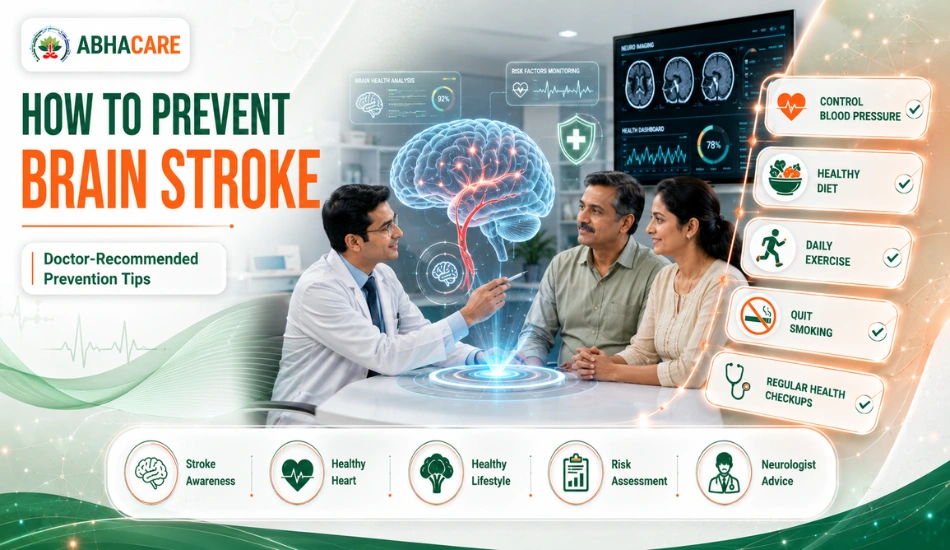
Doctor-Recommended Tips to Prevent Brain Stroke
A brain stroke is one of the leading causes of disability and death worldwide. It occurs when the blood supply to the brain is blocked (ischemic stroke) or when a blood vessel in the brain bursts (hemorrhagic stroke). Without an adequate supply of oxygen and nutrients, brain cells begin to die within minutes, making stroke a medical emergency.
The good news is that most strokes are preventable through healthy lifestyle choices, regular health check-ups, and proper management of medical conditions such as high blood pressure and diabetes. Recognizing the warning signs early and taking preventive measures can significantly reduce your risk and protect your long-term brain health.
This comprehensive guide explains doctor-recommended tips to prevent brain stroke, common risk factors, early warning signs, healthy lifestyle habits, and when you should seek immediate medical attention.
If you have concerns about your brain health or stroke risk, contact us to speak with our doctors for expert guidance and personalized neurological care.
Table of Contents
1. What Is a Brain Stroke?
2. Types of Brain Stroke
3. Who Is at Risk of Stroke?
4. Early Warning Signs of Brain Stroke
5. Doctor-Recommended Tips to Prevent Brain Stroke
6. Foods That Help Reduce Stroke Risk
7. Foods to Avoid
8. Lifestyle Changes for Better Brain Health
9. Can Young Adults Get a Stroke?
10. When Should You Seek Emergency Medical Care?
11. Frequently Asked Questions
12. Conclusion
What Is a Brain Stroke?
A brain stroke occurs when blood flow to a part of the brain is interrupted, preventing brain cells from receiving oxygen and nutrients. Since brain cells cannot survive without oxygen for long, permanent damage can occur if treatment is delayed.
Immediate medical attention can save brain tissue, improve recovery, and reduce the risk of long-term disability.
Types of Brain Stroke
Understanding the different types of stroke helps patients recognize the seriousness of the condition.
Ischemic Stroke
This is the most common type of stroke and occurs when a blood clot blocks an artery supplying blood to the brain.
Common causes include:
- Narrowed arteries
- Blood clots
- High cholesterol
- Heart disease
Hemorrhagic Stroke
This type occurs when a blood vessel inside the brain ruptures, causing bleeding into surrounding brain tissue.
Possible causes include:
- Uncontrolled high blood pressure
- Brain aneurysm
- Head injury
- Certain blood vessel abnormalities
Transient Ischemic Attack (TIA)
Often called a "mini-stroke," a TIA causes temporary blockage of blood flow to the brain. Symptoms usually resolve within minutes or hours, but it is a serious warning sign that a major stroke could occur in the future.
Who Is at Risk of Stroke?
Anyone can experience a stroke, but certain medical conditions and lifestyle habits significantly increase the risk.
Major risk factors include:
- High blood pressure
- Diabetes
- High cholesterol
- Smoking
- Obesity
- Physical inactivity
- Heart disease
- Irregular heartbeat (Atrial Fibrillation)
- Excessive alcohol consumption
- Family history of stroke
- Increasing age
- Chronic stress
Many of these risk factors can be managed through healthy lifestyle changes and regular medical care.
Early Warning Signs of Brain Stroke
Recognizing stroke symptoms quickly can save lives.
Watch for these warning signs:
Sudden Weakness
Weakness or numbness affecting the face, arm, or leg, especially on one side of the body.
Difficulty Speaking
Slurred speech, inability to speak clearly, or difficulty understanding others.
Sudden Vision Problems
Blurred vision, double vision, or sudden loss of vision in one or both eyes.
Severe Headache
A sudden, intense headache without a known cause may indicate bleeding inside the brain.
Loss of Balance
Difficulty walking, dizziness, poor coordination, or sudden loss of balance.
Confusion
Sudden confusion, difficulty understanding conversations, or changes in mental status.
If any of these symptoms appear, seek emergency medical care immediately. Every minute counts during a stroke.
Doctor-Recommended Tips to Prevent Brain Stroke
Fortunately, many strokes can be prevented through healthy habits and timely medical care.
1. Control Your Blood Pressure
High blood pressure is the leading risk factor for stroke because it damages blood vessels over time.
To maintain healthy blood pressure:
- Reduce salt intake.
- Exercise regularly.
- Maintain a healthy weight.
- Take prescribed medications consistently.
- Monitor blood pressure regularly.
2. Manage Diabetes Effectively
High blood sugar damages blood vessels and increases the likelihood of stroke.
Good diabetes management includes:
- Following your treatment plan.
- Eating a balanced diet.
- Monitoring blood glucose levels.
- Staying physically active.
- Attending regular medical check-ups.
3. Keep Cholesterol Under Control
High cholesterol contributes to plaque buildup inside arteries, reducing blood flow to the brain.
To improve cholesterol levels:
- Eat more fruits and vegetables.
- Choose whole grains.
- Limit saturated fats.
- Avoid trans fats.
- Exercise consistently.
4. Quit Smoking
Smoking damages blood vessels, raises blood pressure, and increases blood clot formation.
Stopping smoking is one of the most effective ways to lower stroke risk.
5. Limit Alcohol Consumption
Excessive alcohol intake may contribute to high blood pressure, heart disease, and stroke.
Drink responsibly or avoid alcohol altogether if advised by your healthcare provider.
6. Exercise Regularly
Physical activity improves blood circulation and helps control several stroke risk factors.
Aim for at least 150 minutes of moderate exercise each week, such as:
- Brisk walking
- Cycling
- Swimming
- Yoga
Always consult your doctor before beginning a new exercise routine.
7. Maintain a Healthy Weight
Being overweight increases the risk of diabetes, hypertension, and heart disease.
Healthy weight management includes:
- Balanced nutrition
- Regular exercise
- Adequate sleep
- Stress reduction
8. Eat a Brain-Healthy Diet
Nutrition plays an important role in stroke prevention.
Include:
Leafy Green Vegetables
Spinach, kale, and other leafy greens are rich in vitamins, antioxidants, and fiber that support cardiovascular and brain health.
Fresh Fruits
Apples, oranges, berries, papaya, and pomegranates provide antioxidants that help protect blood vessels.
Whole Grains
Whole wheat, oats, brown rice, and millets provide fiber that supports heart health and cholesterol control.
Fatty Fish
Fish rich in Omega-3 fatty acids may support healthy blood circulation and reduce inflammation.
Nuts and Seeds
Almonds, walnuts, flaxseeds, and pumpkin seeds contain healthy fats that support cardiovascular health.
Beans and Lentils
Excellent sources of plant protein and dietary fiber that help maintain healthy cholesterol levels.
9. Sleep Well
Poor sleep and untreated sleep disorders have been linked to increased stroke risk.
Aim for 7–9 hours of quality sleep each night.
10. Manage Stress
Chronic stress may contribute to high blood pressure and unhealthy lifestyle habits.
Helpful stress management techniques include:
- Meditation
- Yoga
- Deep breathing exercises
- Walking
- Spending time with family
- Hobbies
11. Have Regular Health Check-Ups
Routine health screenings help detect medical problems before they become serious.
Important tests include:
- Blood pressure
- Blood sugar
- Cholesterol
- Heart evaluation
- Weight monitoring
Foods That Help Reduce Stroke Risk
| Food | Benefits |
|---|---|
| Spinach | Rich in folate and antioxidants |
| Oats | Helps manage cholesterol |
| Salmon | Source of Omega-3 fatty acids |
| Walnuts | Supports heart and brain health |
| Berries | Rich in antioxidants |
| Apples | High in fiber |
| Lentils | Plant protein and fiber |
| Avocados | Healthy fats for cardiovascular health |
Foods to Avoid
Certain foods may increase the risk of stroke when consumed excessively.
Limit:
- Processed foods
- High-salt snacks
- Fried foods
- Sugary beverages
- Excess red meat
- Processed meats
- Foods containing trans fats
- Excessive sweets
Choosing fresh, home-cooked meals is generally a healthier option.
Lifestyle Changes for Better Brain Health
Simple daily habits can make a significant difference in protecting your brain.
- Stay physically active.
- Drink enough water.
- Avoid tobacco products.
- Limit alcohol.
- Maintain a healthy weight.
- Follow your prescribed medications.
- Sleep adequately.
- Keep your mind active by reading, learning new skills, or solving puzzles.
- Stay socially connected.
- Attend regular medical appointments.
Can Young Adults Get a Stroke?
Yes. Although stroke is more common in older adults, younger people can also experience a stroke.
Possible causes include:
- Congenital heart disorders
- Blood clotting disorders
- Uncontrolled hypertension
- Diabetes
- Smoking
- Drug abuse
- Severe head injuries
Any sudden neurological symptom should be evaluated immediately, regardless of age.
When Should You Seek Emergency Medical Care?
Seek emergency medical attention immediately if you notice:
- Sudden facial drooping
- Weakness on one side of the body
- Difficulty speaking
- Sudden vision loss
- Severe headache
- Confusion
- Difficulty walking
- Loss of consciousness
- Seizures
Prompt treatment can significantly improve survival and recovery.
Frequently Asked Questions (FAQs)
Q1. Can a stroke be prevented?
▼Many strokes can be prevented by controlling blood pressure, diabetes, cholesterol, avoiding smoking, maintaining a healthy weight, and following a balanced lifestyle.
Q2. What is the biggest risk factor for stroke?
▼High blood pressure is considered one of the most important modifiable risk factors for stroke.
Q3. Can stress increase stroke risk?
▼Long-term stress may contribute to high blood pressure and unhealthy lifestyle habits, indirectly increasing stroke risk.
Q4. What should I do if someone is having a stroke?
▼Call emergency medical services immediately. Do not wait for symptoms to improve. Early treatment greatly increases the chances of recovery.
Q5. Can young people have a stroke?
▼Yes. Although less common, strokes can occur at any age due to certain medical conditions or lifestyle factors.
Conclusion
A brain stroke is a medical emergency, but many cases can be prevented through healthy daily habits, regular medical check-ups, and proper management of conditions such as high blood pressure, diabetes, and high cholesterol. Recognizing early warning signs and acting quickly can save lives and reduce the risk of permanent disability. By following doctor-recommended preventive measures, maintaining a balanced diet, staying physically active, and avoiding smoking, you can significantly improve your brain and heart health.
If you have a family history of stroke, persistent neurological symptoms, or concerns about your stroke risk, contact us to speak with our doctors for expert advice, timely evaluation, and personalized brain and nerve care.