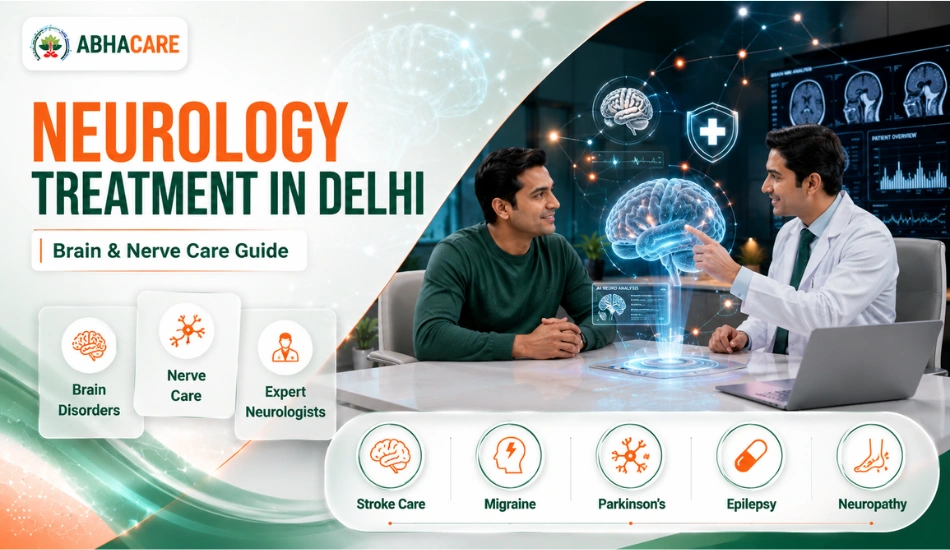
Neurology Treatment in Delhi: Brain and Nerve Care Guide
The brain, spinal cord, and nerves work together as the body's communication network, controlling everything from movement and memory to speech, balance, sensation, and vital functions like breathing and heartbeat. When this complex nervous system is affected by disease or injury, it can significantly impact a person's quality of life. Early diagnosis and timely neurological care are essential to prevent complications and improve treatment outcomes.
Neurological disorders are becoming increasingly common due to aging, sedentary lifestyles, diabetes, hypertension, stress, and other chronic health conditions. Problems such as stroke, epilepsy, migraine, Parkinson's disease, peripheral neuropathy, multiple sclerosis, and dementia require specialized evaluation and treatment from experienced neurologists.
If you or your loved one experiences persistent headaches, dizziness, numbness, weakness, seizures, memory problems, or difficulty speaking, it is important not to ignore these warning signs. Early medical attention can make a significant difference in recovery and long-term health. Book Free Neurology Consultation Today to get expert guidance before symptoms worsen.
This comprehensive guide explains everything you need to know about Neurology Treatment in Delhi, including common neurological disorders, symptoms, causes, diagnosis, treatment options, and when to consult a neurologist.
Table of Contents
1. What Is Neurology?
2. Understanding the Nervous System
3. What Does a Neurologist Treat?
4. Common Neurological Disorders
5. Early Signs and Symptoms of Neurological Diseases
6. Common Causes of Neurological Disorders
7. Risk Factors That Increase Neurological Problems
8. How Neurological Disorders Are Diagnosed
9. When Should You See a Neurologist?
10. Neurology Treatment Options
11. Rehabilitation After Neurological Disorders
12. Neurological Emergencies You Should Never Ignore
13. Lifestyle Tips for Better Brain and Nerve Health
14. How to Choose the Right Neurology Hospital in Delhi
15. Frequently Asked Questions
16. Conclusion
What Is Neurology?
Neurology is the branch of medicine that focuses on the diagnosis, treatment, and prevention of disorders affecting the brain, spinal cord, peripheral nerves, and muscles. A neurologist is a medical specialist trained to evaluate conditions that affect the nervous system using detailed clinical examinations and advanced diagnostic tests.
Neurological conditions can affect people of all ages, from children with developmental disorders to older adults experiencing stroke or memory loss. Some neurological diseases develop gradually over time, while others require immediate emergency care.
Modern neurology combines advanced imaging, laboratory investigations, rehabilitation, medications, and minimally invasive procedures to provide personalized treatment for patients with complex neurological conditions.
Understanding the Nervous System
The nervous system controls almost every activity in the human body. It allows different organs to communicate efficiently and respond to internal and external changes.
The nervous system is divided into two major parts:
Central Nervous System (CNS)
The central nervous system consists of:
- Brain
- Spinal cord
It controls thinking, memory, emotions, movement, speech, vision, hearing, breathing, and many automatic body functions.
Peripheral Nervous System (PNS)
The peripheral nervous system includes all nerves outside the brain and spinal cord.
These nerves:
- Carry messages between the brain and body.
- Control muscle movement.
- Transmit sensations like pain, temperature, and touch.
- Regulate certain involuntary functions.
Any damage to these structures can result in neurological symptoms requiring specialist evaluation.
What Does a Neurologist Treat?
A neurologist diagnoses and manages a wide variety of conditions involving the nervous system. Treatment plans are individualized based on the underlying disease, severity, age, and overall health of the patient.
Some of the most common conditions treated include:
- Stroke
- Migraine
- Chronic headaches
- Epilepsy and seizures
- Parkinson's disease
- Alzheimer's disease
- Dementia
- Peripheral neuropathy
- Multiple sclerosis
- Brain infections
- Brain tumors (medical management)
- Vertigo and dizziness
- Facial nerve disorders
- Tremors
- Sciatica
- Cervical and lumbar nerve compression
- Muscle weakness
- Myasthenia gravis
- Sleep-related neurological disorders
Neurologists also work closely with neurosurgeons, physiotherapists, rehabilitation specialists, and other healthcare professionals for comprehensive patient care.
Common Neurological Disorders
Understanding common neurological disorders helps patients recognize symptoms early and seek timely treatment.
Stroke
A stroke occurs when blood supply to part of the brain is interrupted or when a blood vessel ruptures. It is a medical emergency requiring immediate treatment.
Common symptoms include:
- Sudden weakness on one side of the body
- Facial drooping
- Difficulty speaking
- Vision changes
- Loss of balance
- Severe headache
Early treatment can significantly reduce brain damage and improve recovery.
Migraine
Migraine is more than just a headache. It is a neurological disorder that often causes severe throbbing pain, nausea, vomiting, and sensitivity to light or sound.
Migraine attacks may last from several hours to several days and often interfere with daily activities.
Epilepsy
Epilepsy is characterized by recurrent seizures caused by abnormal electrical activity in the brain.
Symptoms may include:
- Sudden jerking movements
- Temporary confusion
- Loss of consciousness
- Blank staring episodes
- Muscle stiffness
Most patients can successfully manage epilepsy with appropriate medications.
Parkinson's Disease
Parkinson's disease is a progressive neurological disorder affecting movement.
Common symptoms include:
- Tremors
- Slow movement
- Muscle stiffness
- Balance problems
- Difficulty walking
Early diagnosis allows better symptom management and improved quality of life.
Peripheral Neuropathy
Peripheral neuropathy occurs when nerves outside the brain and spinal cord become damaged.
Patients may experience:
- Tingling sensations
- Burning pain
- Numbness
- Weakness
- Reduced sensation in hands and feet
Diabetes is one of the leading causes of peripheral neuropathy.
Alzheimer's Disease and Dementia
These conditions gradually affect memory, thinking, reasoning, and behavior.
Early symptoms include:
- Forgetfulness
- Difficulty recognizing familiar people
- Confusion
- Personality changes
- Trouble performing daily activities
Although there is no complete cure, early treatment may help slow disease progression and improve quality of life.
Multiple Sclerosis (MS)
Multiple sclerosis is an autoimmune condition that affects the protective covering of nerves.
Symptoms vary but may include:
- Vision problems
- Muscle weakness
- Numbness
- Fatigue
- Difficulty walking
- Poor coordination
Treatment focuses on controlling symptoms and reducing disease progression.
Vertigo
Vertigo is a sensation that the surroundings are spinning even when a person is standing still.
It may occur due to disorders affecting the inner ear, brain, or balance pathways.
Symptoms include:
- Dizziness
- Loss of balance
- Nausea
- Difficulty walking
Early Signs and Symptoms of Neurological Disorders
Neurological conditions often begin with mild symptoms that many people ignore. Recognizing these warning signs early can lead to faster diagnosis and better treatment outcomes.
Common symptoms include:
Persistent Headaches
Frequent or severe headaches that do not improve with routine treatment should be medically evaluated.
Sudden Weakness
Weakness affecting the face, arm, or leg—especially on one side of the body—may indicate a stroke or other neurological emergency.
Numbness or Tingling
Persistent numbness in the hands, feet, or face may be caused by nerve damage or disorders affecting the brain or spinal cord.
Seizures
Any unexplained seizure, loss of consciousness, or sudden body jerking requires immediate neurological assessment.
Difficulty Speaking
Slurred speech, inability to find words, or difficulty understanding language should never be ignored.
Vision Changes
Blurred vision, double vision, or sudden vision loss may indicate neurological disease.
Balance Problems
Frequent falls, dizziness, poor coordination, or difficulty walking can result from neurological conditions affecting the brain or nerves.
Memory Problems
Progressive forgetfulness, confusion, and changes in thinking ability may require neurological evaluation, particularly in older adults.
Tremors
Persistent shaking of the hands or body may indicate Parkinson's disease or other movement disorders.
Muscle Weakness
Difficulty climbing stairs, lifting objects, or performing daily activities can be an early sign of nerve or muscle disease.
Common Causes of Neurological Disorders
Neurological diseases may develop due to various medical and environmental factors.
Some common causes include:
Reduced Blood Supply to the Brain
Blocked or ruptured blood vessels can cause stroke and permanent brain damage.
Diabetes
Poorly controlled diabetes increases the risk of nerve damage and peripheral neuropathy.
High Blood Pressure
Uncontrolled hypertension significantly increases the risk of stroke and vascular dementia.
Head Injury
Road accidents, falls, and sports injuries may damage the brain or spinal cord.
Genetic Disorders
Some neurological diseases run in families and may have an inherited component.
Autoimmune Diseases
Conditions like multiple sclerosis occur when the immune system mistakenly attacks nerve tissues.
Brain Infections
Meningitis and encephalitis can cause inflammation affecting the brain and nervous system.
Vitamin Deficiencies
Deficiencies of Vitamin B12 and other nutrients may contribute to nerve damage.
Risk Factors That Increase Neurological Problems
Several factors increase the likelihood of developing neurological disorders.
These include:
- Increasing age
- Diabetes
- High blood pressure
- High cholesterol
- Smoking
- Excessive alcohol consumption
- Obesity
- Physical inactivity
- Family history of neurological disease
- Chronic stress
- Sleep disorders
- Previous stroke or head injury
Managing these risk factors can significantly reduce the chances of developing many neurological conditions.
How Neurological Disorders Are Diagnosed
A neurologist uses a combination of clinical evaluation and advanced investigations to identify the underlying cause of neurological symptoms.
Common diagnostic tests include:
| Test | Purpose |
|---|---|
| Neurological Examination | Evaluates brain, nerve, and muscle function |
| MRI Brain & Spine | Detects tumors, stroke, nerve disorders, and spinal diseases |
| CT Scan | Useful for emergency brain evaluation |
| EEG | Records electrical activity of the brain and helps diagnose epilepsy |
| EMG & Nerve Conduction Study | Evaluates muscle and peripheral nerve function |
| Blood Tests | Identifies infections, vitamin deficiencies, autoimmune disorders, and metabolic conditions |
| Lumbar Puncture | Examines cerebrospinal fluid for infections and inflammatory diseases |
Early diagnosis allows neurologists to develop an effective treatment plan before complications occur.
When Should You See a Neurologist?
Many neurological conditions can be managed more effectively when diagnosed early. You should consult a neurologist if you experience:
- Frequent or severe headaches
- Sudden weakness or paralysis
- Persistent numbness or tingling
- Seizures
- Memory loss
- Tremors
- Difficulty walking
- Dizziness or repeated episodes of vertigo
- Loss of balance
- Facial weakness
- Vision disturbances
- Chronic nerve pain
Do not ignore sudden neurological symptoms such as facial drooping, slurred speech, or weakness on one side of the body, as these may indicate a medical emergency like a stroke and require immediate hospital care.
Neurology Treatment Options
Neurological disorders vary from mild nerve-related conditions to life-threatening brain diseases. The treatment approach depends on the underlying cause, severity of symptoms, age, overall health, and diagnostic findings. Modern neurology focuses not only on treating the disease but also on improving quality of life, preventing complications, and supporting long-term recovery.
An experienced neurologist develops a personalized treatment plan that may include medications, rehabilitation, lifestyle modifications, and, in some cases, minimally invasive or surgical intervention.
1. Medication Management
Many neurological disorders can be effectively managed with medications when diagnosed early.
Depending on the condition, medications may help:
- Control migraine attacks
- Prevent seizures in epilepsy
- Reduce Parkinson's disease symptoms
- Manage multiple sclerosis flare-ups
- Treat nerve pain (neuropathy)
- Improve muscle strength
- Reduce inflammation
- Improve blood flow after stroke
- Slow progression of certain neurological diseases
Patients should always take medications exactly as prescribed and avoid stopping them without consulting their neurologist.
2. Stroke Management
Stroke is one of the leading neurological emergencies. Early treatment greatly improves the chances of recovery and reduces permanent brain damage.
Treatment may include:
- Emergency evaluation
- Brain imaging (CT/MRI)
- Blood clot-dissolving medications (when appropriate)
- Blood pressure management
- Rehabilitation therapy
- Long-term stroke prevention medications
- Lifestyle modification
Every minute counts during a stroke. Immediate medical attention is essential.
3. Migraine Treatment
Migraine is a chronic neurological condition that often requires long-term management.
Treatment usually includes:
- Preventive medications
- Pain-relieving medicines
- Lifestyle changes
- Trigger identification
- Stress management
- Sleep improvement
- Dietary modifications
Many patients experience fewer migraine attacks with proper treatment and regular follow-up.
4. Epilepsy Treatment
Most people with epilepsy can lead active and independent lives with appropriate treatment.
Management includes:
- Anti-seizure medications
- Regular neurological follow-up
- Lifestyle guidance
- Trigger avoidance
- Medication monitoring
For patients whose seizures are not controlled with medicines, specialized evaluation for advanced treatment options may be recommended.
5. Parkinson's Disease Management
Although Parkinson's disease cannot currently be cured, early treatment helps improve mobility and maintain independence.
Treatment may involve:
- Medications
- Physiotherapy
- Occupational therapy
- Speech therapy
- Exercise programs
- Nutritional counseling
A multidisciplinary approach often provides the best long-term outcomes.
6. Peripheral Neuropathy Treatment
Treatment focuses on addressing the underlying cause while reducing symptoms.
Management may include:
- Blood sugar control
- Vitamin supplementation (when deficient)
- Pain management
- Physical therapy
- Lifestyle modification
- Foot care education for diabetic patients
Early intervention may help prevent further nerve damage.
7. Dementia and Alzheimer's Care
Although these conditions cannot be completely reversed, treatment aims to slow progression and improve quality of life.
Care may include:
- Memory-support medications
- Cognitive therapy
- Lifestyle counseling
- Family education
- Safety planning
- Nutritional support
Early diagnosis allows patients and families to plan long-term care more effectively.
Rehabilitation After Neurological Disorders
Recovery does not end after diagnosis or medication. Rehabilitation is an essential part of neurological treatment.
Depending on the condition, rehabilitation may include:
Physiotherapy
Improves muscle strength, balance, walking ability, and coordination.
Occupational Therapy
Helps patients regain independence in daily activities such as dressing, eating, and personal care.
Speech and Swallowing Therapy
Beneficial for patients recovering from stroke, Parkinson's disease, or other neurological disorders affecting speech and swallowing.
Cognitive Rehabilitation
Supports memory, concentration, attention, and problem-solving skills in patients with brain injuries or dementia.
Psychological Support
Living with a neurological disorder can affect emotional well-being. Counseling and mental health support can help patients and caregivers cope with stress, anxiety, and depression.
Neurological Emergencies You Should Never Ignore
Some neurological symptoms require immediate emergency medical attention because delayed treatment may result in permanent disability or life-threatening complications.
Seek emergency care immediately if you notice:
- Sudden weakness on one side of the body
- Facial drooping
- Difficulty speaking
- Sudden vision loss
- Severe "worst-ever" headache
- Loss of consciousness
- First-time seizure
- Confusion with high fever
- Difficulty walking suddenly
- Sudden loss of balance
- Persistent vomiting with severe headache
- Head injury followed by unconsciousness
Prompt treatment can significantly improve recovery, especially in conditions such as stroke.
Lifestyle Tips for Better Brain and Nerve Health
Healthy lifestyle choices play an important role in preventing neurological diseases and supporting long-term brain health.
Eat a Brain-Healthy Diet
Choose foods rich in antioxidants, healthy fats, vitamins, and minerals.
Include:
Green Leafy Vegetables
Provide folate, iron, and antioxidants that support brain function.
Fatty Fish
Rich in omega-3 fatty acids, which support healthy brain cells and nerve function.
Nuts and Seeds
Contain Vitamin E and healthy fats that may help protect brain cells.
Whole Grains
Provide steady energy for the brain while supporting heart health.
Fresh Fruits
Supply antioxidants that help protect brain cells from oxidative stress.
Adequate Water
Proper hydration supports concentration, memory, and overall brain function.
Exercise Regularly
Physical activity improves blood circulation to the brain, supports cardiovascular health, and may reduce the risk of stroke and dementia.
Aim for at least 150 minutes of moderate exercise each week, or as advised by your doctor.
Get Enough Sleep
Adults should aim for 7–9 hours of quality sleep every night. Poor sleep has been linked to memory problems, migraine, and several neurological disorders.
Control Chronic Diseases
Proper management of diabetes, hypertension, and high cholesterol significantly reduces the risk of stroke and nerve damage.
Avoid Smoking and Excessive Alcohol
Smoking damages blood vessels supplying the brain, while excessive alcohol intake may harm brain cells and peripheral nerves.
Keep Your Mind Active
Reading, solving puzzles, learning new skills, and staying socially engaged help maintain cognitive health.
How to Choose the Right Neurology Hospital in Delhi
Choosing the right healthcare facility is an important step in receiving effective neurological care.
Look for a hospital that offers:
- Experienced neurologists
- Advanced MRI and CT imaging
- EEG and EMG testing facilities
- Stroke emergency services
- Neurocritical care support
- Comprehensive rehabilitation services
- Multidisciplinary treatment approach
- Personalized treatment planning
- Modern diagnostic technology
- Patient-focused follow-up care
Receiving care from an experienced neurology team improves diagnosis, treatment planning, and long-term outcomes.
Frequently Asked Questions (FAQs)
Q1. What diseases are treated by a neurologist?
▼Neurologists diagnose and treat conditions affecting the brain, spinal cord, nerves, and muscles, including stroke, migraine, epilepsy, Parkinson's disease, dementia, peripheral neuropathy, multiple sclerosis, vertigo, and nerve disorders.
Q2. When should I consult a neurologist for headaches?
▼You should seek medical evaluation if headaches are severe, frequent, sudden, associated with weakness, vision changes, seizures, fever, or do not improve with routine treatment.
Q3. Can neurological diseases be cured?
▼Some neurological conditions can be successfully treated, while others require long-term management. Early diagnosis often improves treatment outcomes and quality of life.
Q4. What tests does a neurologist usually recommend?
▼Common investigations include neurological examination, MRI, CT scan, EEG, EMG, nerve conduction studies, blood tests, and lumbar puncture, depending on the patient's symptoms.
Q5. Is every episode of dizziness a neurological problem?
▼No. Dizziness may arise from inner ear disorders, low blood pressure, dehydration, medication side effects, or neurological conditions. A proper medical evaluation is needed to identify the cause.
Q6. Can neurological disorders be prevented?
▼Although not all neurological diseases are preventable, maintaining healthy blood pressure, controlling diabetes, exercising regularly, avoiding smoking, eating a balanced diet, and seeking early treatment for warning signs can significantly reduce the risk of several conditions.
Conclusion
The brain and nervous system control every aspect of daily life, making neurological health essential for overall well-being. Conditions such as stroke, migraine, epilepsy, Parkinson's disease, dementia, and peripheral neuropathy require timely diagnosis and expert care to prevent complications and improve recovery. Recognizing early warning signs, undergoing appropriate diagnostic testing, following prescribed treatment, and adopting a healthy lifestyle can help patients manage neurological disorders more effectively and maintain a better quality of life.
If you or a loved one is experiencing persistent headaches, numbness, seizures, dizziness, memory problems, weakness, or other neurological symptoms, do not delay seeking expert medical attention. Book Free Neurology Consultation Today to receive a comprehensive evaluation and personalized treatment plan from experienced neurology specialists. Early diagnosis can make a significant difference in protecting brain and nerve health.