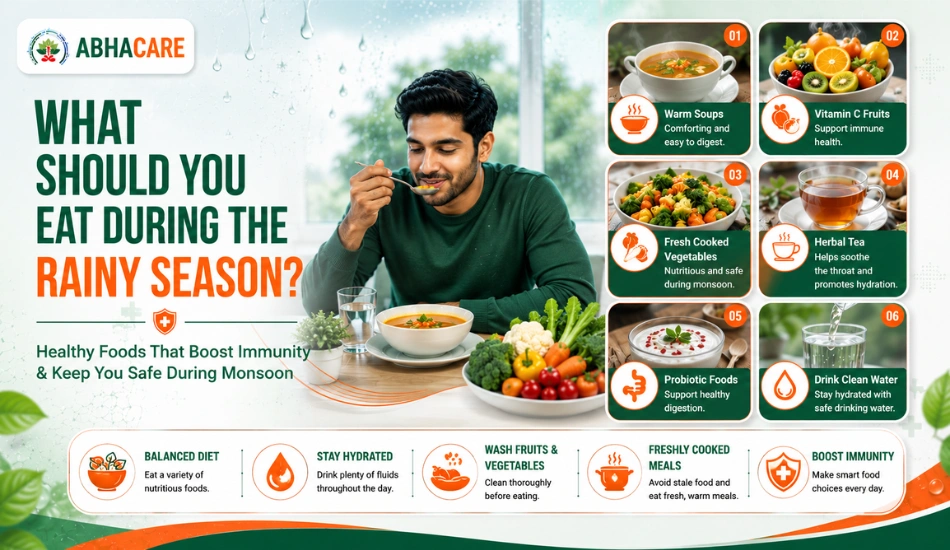
What Should You Eat During the Rainy Season? Complete Monsoon Diet Guide
The rainy season brings pleasant weather, lush greenery, and relief from the summer heat. However, it also increases the risk of viral infections, food poisoning, indigestion, stomach infections, and mosquito-borne diseases. During monsoon, humidity levels rise, bacteria and fungi multiply rapidly, and contaminated food or water can easily affect your health. That's why following a healthy monsoon diet becomes essential.
If you're wondering what should you eat during the rainy season, the answer lies in choosing fresh, nutritious, and easily digestible foods that strengthen your immune system and protect you from seasonal illnesses.
This complete guide explains the best foods to eat during the rainy season, foods to avoid, hydration tips, immunity-boosting nutrients, meal suggestions, and expert dietary advice to help you and your family stay healthy throughout the monsoon.
Table of Contents
- Why Your Diet Matters During the Rainy Season
- Best Foods to Eat During the Monsoon
- Fruits to Eat During Rainy Season
- Vegetables That Support Immunity
- Protein-Rich Foods for Better Health
- Drinks That Keep You Healthy
- Foods to Avoid During Monsoon
- One-Day Healthy Monsoon Diet Plan
- Tips for Safe Eating During the Rainy Season
- When Should You Consult a Doctor?
- Frequently Asked Questions
- Conclusion
Why Your Diet Matters During the Rainy Season
During the monsoon, digestive power often slows down, while bacteria, viruses, and fungi grow rapidly because of increased humidity. Eating contaminated, stale, or oily food can increase the risk of food poisoning, diarrhea, viral fever, typhoid, and stomach infections.
A healthy diet during the rainy season helps:
- Strengthen the immune system.
- Improve digestion.
- Reduce the risk of seasonal infections.
- Maintain energy levels.
- Support faster recovery from illness.
- Keep the body properly hydrated.
Choosing fresh, home-cooked meals is one of the simplest ways to stay healthy during this season.
Best Foods to Eat During the Rainy Season
1. Ginger
Ginger is one of the best natural ingredients to include in your monsoon diet. It contains anti-inflammatory and antioxidant compounds that may help support immunity, improve digestion, reduce bloating, and soothe sore throats. Drinking warm ginger tea can also provide comfort during cold and rainy days.
2. Turmeric
Turmeric contains curcumin, a natural compound known for its anti-inflammatory and antioxidant properties. Including turmeric in daily meals or warm milk may help support the body's natural defense system and promote overall wellness during the rainy season.
3. Garlic
Garlic is rich in natural antimicrobial compounds such as allicin, which may help the body fight common seasonal infections. Regular consumption can also support heart health and improve immunity.
4. Citrus Fruits
Oranges, sweet lime, lemons, and other citrus fruits are excellent sources of Vitamin C. They help strengthen the immune system, support healthy skin, and may reduce the risk of seasonal viral infections.
5. Papaya
Papaya is easy to digest and rich in Vitamin A, Vitamin C, antioxidants, and digestive enzymes. It supports gut health and provides essential nutrients needed during the rainy season.
6. Pomegranate
Pomegranate is packed with antioxidants, iron, and vitamins that help improve overall health. It supports healthy blood circulation and contributes to a stronger immune system.
7. Seasonal Apples
Apples are rich in dietary fiber, antioxidants, and essential vitamins. They help improve digestion and provide long-lasting energy throughout the day.
8. Cooked Green Leafy Vegetables
Spinach, fenugreek, and other leafy vegetables are rich in iron, folate, and vitamins. During monsoon, they should always be washed thoroughly and cooked properly to reduce the risk of contamination.
9. Bottle Gourd (Lauki)
Bottle gourd is light on the stomach, easy to digest, and helps maintain hydration. It is an excellent vegetable for people recovering from illness.
10. Ridge Gourd (Turai)
Ridge gourd contains fiber, water, and essential minerals that support healthy digestion and overall wellness.
11. Pumpkin
Pumpkin provides Vitamin A, beta-carotene, and antioxidants that help strengthen immunity while supporting eye health.
12. Yogurt (Fresh Only)
Fresh yogurt contains probiotics that support healthy gut bacteria and improve digestion. However, avoid consuming refrigerated or sour yogurt if it does not suit your body during cold weather.
13. Lentils and Pulses
Dal, chickpeas, kidney beans, and other pulses provide high-quality plant protein, fiber, iron, and essential nutrients that help maintain energy and support immune health.
14. Eggs
Eggs are an excellent source of protein, Vitamin D, Vitamin B12, and selenium. They help repair body tissues and contribute to a healthy immune system.
15. Dry Fruits and Nuts
Almonds, walnuts, pistachios, and pumpkin seeds provide healthy fats, Vitamin E, magnesium, and zinc that help strengthen immunity and maintain energy levels.
16. Whole Grains
Brown rice, oats, whole wheat, and millets provide complex carbohydrates that keep you energized while supporting digestive health.
17. Herbal Tea
Warm herbal teas made with ginger, tulsi, cinnamon, or cardamom may help soothe the throat, improve digestion, and provide comfort during rainy weather.
18. Soups
Fresh vegetable soup, tomato soup, lentil soup, and chicken soup provide hydration, vitamins, and minerals while being easy to digest.
Best Fruits to Eat During the Rainy Season
| Fruit | Benefits |
|---|---|
| Papaya | Supports digestion and immunity |
| Apple | Rich in fiber and antioxidants |
| Pomegranate | Improves overall health |
| Pear | Helps maintain hydration |
| Citrus Fruits | Rich in Vitamin C |
| Banana | Provides energy and potassium |
Always wash fruits thoroughly before eating.
Best Vegetables During Monsoon
| Vegetable | Health Benefits |
|---|---|
| Bottle Gourd | Easy to digest |
| Pumpkin | Rich in Vitamin A |
| Ridge Gourd | Supports digestion |
| Carrot | Good source of beta-carotene |
| Beans | Rich in fiber |
| Cooked Spinach | Iron and folate source |
Choose freshly cooked vegetables instead of raw salads from outside.
Protein-Rich Foods That Support Immunity
Protein helps repair tissues and supports immune function.
Good options include:
- Eggs
- Lentils
- Chickpeas
- Kidney beans
- Fresh paneer
- Chicken
- Fish (properly cooked)
- Soy products
Properly cooked protein foods reduce the risk of food-borne infections.
Healthy Drinks During Monsoon
Staying hydrated is equally important during the rainy season.
Choose:
Warm Water
Drinking warm water may support digestion and reduce throat discomfort.
Lemon Water
Provides Vitamin C while helping maintain hydration.
Coconut Water
Replenishes electrolytes naturally and supports hydration.
Fresh Homemade Soups
Offer both hydration and nutrition.
Herbal Tea
Ginger, tulsi, and cinnamon tea may provide comfort during seasonal changes.
Avoid sugary soft drinks and contaminated beverages.
Foods to Avoid During the Rainy Season
Certain foods can increase the risk of stomach infections during monsoon.
Street Food
Street food may be exposed to contaminated water, dust, and bacteria, increasing the risk of food poisoning.
Raw Salads from Outside
Improperly washed vegetables may carry harmful bacteria or parasites.
Seafood from Untrusted Sources
Improper storage during monsoon may increase contamination risks.
Cut Fruits Sold Outside
These fruits may be exposed to flies and environmental contamination.
Stale Food
Leftover food stored improperly can quickly become contaminated.
Fried and Oily Foods
Excessively oily foods may slow digestion and increase acidity.
Sugary Foods
Excess sugar may contribute to inflammation and reduce overall dietary quality.
One-Day Healthy Monsoon Diet Plan
| Meal | Healthy Choice |
|---|---|
| Early Morning | Warm water with lemon |
| Breakfast | Oats with fruits and boiled eggs |
| Mid-Morning | Apple or papaya |
| Lunch | Brown rice, dal, cooked vegetables, curd |
| Evening Snack | Roasted nuts with herbal tea |
| Dinner | Vegetable soup with whole wheat chapati and paneer |
| Before Bed | Warm turmeric milk (if suitable) |
Tips for Safe Eating During the Rainy Season
- Wash fruits and vegetables thoroughly.
- Drink only filtered or boiled water.
- Eat freshly prepared meals.
- Avoid reheating food multiple times.
- Store leftovers safely.
- Wash hands before eating.
- Keep kitchen surfaces clean.
- Cook meat and eggs completely.
- Avoid food that has been left uncovered.
- Buy groceries from reliable sources.
When Should You Consult a Doctor?
Although healthy eating helps prevent many illnesses, some symptoms require medical attention.
Consult a healthcare professional if you experience:
- High fever lasting more than two days.
- Persistent vomiting.
- Severe diarrhea.
- Signs of dehydration.
- Blood in stool.
- Severe abdominal pain.
- Difficulty swallowing.
- Continuous weakness.
- Unexplained weight loss.
- Persistent digestive problems.
If you have ongoing digestive issues, high fever, or symptoms of a seasonal infection, book a consultation in Delhi for timely medical evaluation and personalized treatment.
Frequently Asked Questions (FAQs)
Q1. What is the healthiest food to eat during the rainy season?
▼Freshly cooked meals containing vegetables, whole grains, lentils, fruits, and protein-rich foods are among the healthiest choices during monsoon.
Q2. Which fruits are best during the rainy season?
▼Papaya, apples, pomegranate, pears, bananas, and citrus fruits are generally good choices because they provide vitamins, antioxidants, and fiber.
Q3. Should I avoid street food during monsoon?
▼Yes. Street food may be exposed to contamination, increasing the risk of food poisoning and stomach infections.
Q4. Is yogurt good during the rainy season?
▼Fresh yogurt can support gut health due to its probiotic content. However, consume it according to your body's tolerance and avoid spoiled or overly sour yogurt.
Q5. How can I naturally improve immunity during monsoon?
▼Eat a balanced diet, stay hydrated, sleep well, exercise regularly, maintain hygiene, and include immunity-supporting foods like ginger, garlic, turmeric, citrus fruits, and seasonal vegetables.
Q6. Why is digestion weaker during the rainy season?
▼Changes in humidity, reduced physical activity, and seasonal environmental factors may affect digestion, making it important to choose light, freshly cooked, and easily digestible meals.
Conclusion
Knowing what should you eat during the rainy season can make a significant difference in protecting your health. A balanced diet rich in fresh fruits, cooked vegetables, whole grains, lean protein, and immunity-supporting ingredients like ginger, garlic, and turmeric helps reduce the risk of seasonal infections while promoting overall well-being. Combined with good hygiene, safe drinking water, and healthy eating habits, these dietary choices can help you and your family enjoy the monsoon season safely.
If you have persistent digestive complaints, fever, or other health concerns during the rainy season, don't ignore the symptoms. Book a consultation in Delhi to receive expert medical advice and appropriate care before the condition worsens.